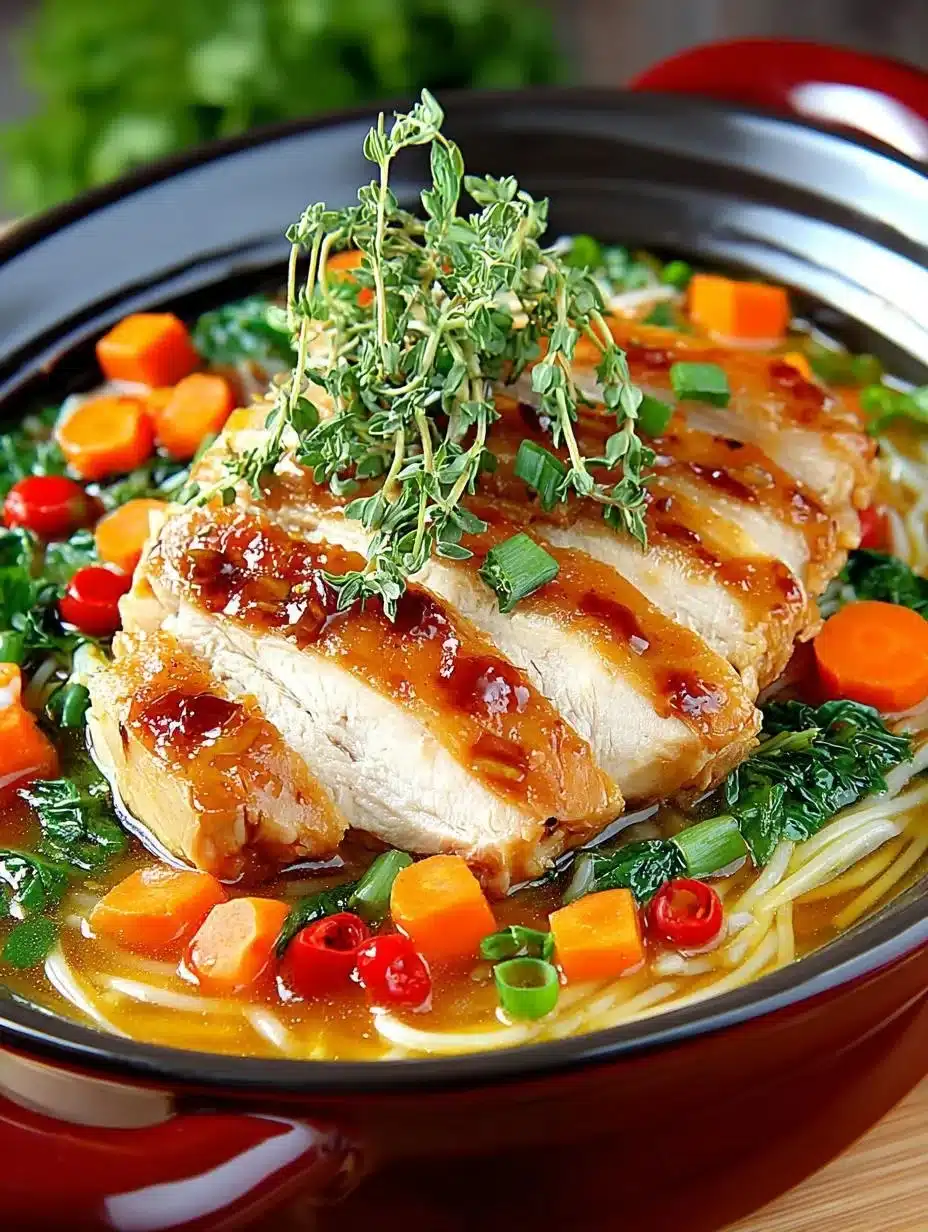
Introduction
Warm food comforts in a way that nothing else can. When that warmth comes with bold, balanced Asian flavors and tender chicken, it becomes something memorable — nourishing, efficient, and endlessly adaptable. This Traditional Warm with Asian Chicken guide is written to take you from curious beginner to confident cook, giving you both the why and the how behind each choice.
Read on to gain a practical framework for building dishes anchored by warm Asian-style chicken. You’ll learn the origins and history of the flavors, core principles that make them work, hands-on step-by-step methods (stovetop, oven, slow cooker, grill), advanced techniques for refinement, troubleshooting, and ways to make the recipes yours.
What you’ll get from this guide:
- A clear understanding of balancing Asian flavor profiles and textures.
- Practical, time-tested methods for preparing tender, flavorful chicken.
- Recipes and workflows for multiple skill levels and kitchens.
- Troubleshooting, storage, and scaling guidance so your results are repeatable.
This is a long-form, practical resource meant to live on your shelf — or bookmarks — and become a reference you return to again and again.
Background & Context
Traditional Warm with Asian Chicken dishes draw from many culinary lineages across East and Southeast Asia. They are not a single recipe but a family of approaches: braises, stir-fries, grilled skewers, noodle bowls, and soups all qualify when the focus is warm, seasoned chicken served with complementary elements.
The Authentic Warm with Asian Chicken origin is layered. Chinese culinary techniques contributed stir-frying, velveting, and rich soy-based sauces. Southeast Asian cuisines brought chiles, citrus, tamarind, and coconut. Japanese influences added dashi-like umami and subtle refinement. Over centuries, trade routes, migration, and cultural exchange shaped the flavors and techniques we use today.
Classic Warm with Asian Chicken history is also domestic: immigrant home cooks adapted ingredients available locally, creating hybrid dishes that fit new climates and pantries. That adaptability is why the approach remains relevant — it’s built to be flexible.
Personal note: the most reliable dishes I’ve made came from focusing on three things — balance (salt/sweet/sour/spice/umami), texture contrast (crisp vs tender), and temperature (serve warm but allow components with different heat tolerances). Once you master those, the recipes follow.
Why This Approach Works
This guide focuses on principles rather than strict recipes because understanding the why makes you adaptable.
Benefits explained
- Predictable results: learn flavor ratios and techniques that reproduce across proteins and kitchens.
- Efficient: methods suitable for quick weeknights and relaxed weekends.
- Scalable: easily doubles or reduces for households and meal prep.
- Flexible: accommodates dietary needs, pantry limitations, and cultural preferences.
Why the principles hold up
- Flavor balance is universal. When salt, acid, fat, sweetness, and heat are balanced, dishes taste complete.
- Texture contrast prevents monotony. Warm, tender chicken paired with crunchy vegetables or crisp garnishes elevates the experience.
- Heat control transforms texture. High-heat sear vs slow braise produces different, desirable outcomes.
Addressing common doubts
- "Is this authentic?" Authenticity is not binary. The Authentic Warm with Asian Chicken origin reflects many traditions. Use technique and balance as your anchor; authenticity follows intent and respect for ingredients.
- "Can I make this quickly?" Yes. A 20–30 minute stir-fry or a slow cooker full-meal are both valid expressions of warm Asian chicken.
- "Do I need special ingredients?" No. Basic pantry staples (soy, acid, sugar, aromatics) are enough. Optional ingredients refine the flavor.
Core Concepts Explained
Below are the building blocks to approach any warm Asian chicken dish.
- Protein selection and preparation
- Cuts: thighs are forgiving and flavorful; breasts are lean and fast-cooking.
- Prep: even cuts ensure even cooking; score or pound for uniform thickness when needed.
- Velveting: a Chinese technique using cornstarch and egg-white or marinade to build a silky exterior on chicken for stir-fries.
- Flavor building blocks
- Umami: soy sauce, fish sauce, fermented bean pastes.
- Acid: rice vinegar, lime, tamarind — brightens and balances richness.
- Sweetness: sugar, honey, mirin — adds gloss and balances spice.
- Heat: chiles, white pepper, chili paste.
- Aromatics: garlic, ginger, scallion, lemongrass.
- Texture and temperature contrasts
- Crunchy: raw slaw, toasted nuts, fried shallots.
- Tender: braised or poached chicken.
- Crisp-tender: quick-blanched vegetables or fast stir-fry.
- Sauces and glazing
- Thickened vs loose sauces: starch-thickened sauces cling to proteins; broth-based sauces hydrate bowls and soups.
- Glaze mechanics: sugar caramelization + soy = glossy, complex coating.
- Layering: build flavor in stages — aromatics → deglaze → add seasonings → finish with acid/cold fat.
- Side components
- Rice: jasmine, sticky, or brown depending on texture preference.
- Noodles: wheat, rice, or glass noodles fit different dishes.
- Vegetables: pickled slaw for brightness, steamed greens for comfort.
Alternatives, simplifications, and substitutions
- No fish sauce? Use a small amount of soy sauce + a pinch of anchovy paste (optional) or miso.
- No mirin? Substitute dry sherry + sugar.
- Gluten-free: use tamari or coconut aminos and gluten-free starch.
Tools, Resources, or Foundations
Essentials
- Heavy skillet or wok: for stir-frying and searing.
- Instant-read thermometer: to check chicken doneness (165°F / 74°C target for safety; allow carryover).
- Sharp knife: for clean cuts and efficient prep.
- Cutting board and bowls for mise en place.
Optional enhancements
- Grill or charcoal: adds smoky depth.
- Sous-vide: perfect texture control for chicken.
- Small saucepan and fine sieve: for smooth glazes.
Budget-friendly alternatives
- Use a heavy sauté pan instead of a wok.
- Skip specialty marinades and focus on fresh aromatics, soy, acid, and sugar.
- Frozen ginger/garlic paste is fine for weeknight cooking.
Commentary on usefulness
- Invest in a good skillet first; technique matters more than expensive equipment.
- An instant-read thermometer reduces guesswork and food waste.
Step-by-Step Process
This section guides you through typical approaches with time estimates and common mistakes. Choose the method that fits your schedule.
- Quick stir-fry (20–30 minutes)
- Oven-roasted chicken with Asian glaze (35–50 minutes)
- Slow cooker braise (3–6 hours)
- Poached chicken for salads and bowls (20–30 minutes)
Each method uses similar flavor scaffolding but varies in texture and time.
Quick Stir-Fry (20–30 minutes)
- Mise en place (5–10 minutes)
- Cut chicken into bite-sized pieces; prepare vegetables and aromatics.
- Mix sauce: 2 tbsp soy, 1 tbsp rice vinegar, 1 tsp sugar, 1 tsp sesame oil, 1 tbsp water, 1 tsp cornstarch.
- Cook (8–12 minutes)
- Heat wok or pan over high heat until shimmering.
- Add neutral oil; sear chicken in batches until golden (2–3 minutes each batch).
- Remove chicken; stir-fry aromatics quickly (30–60 seconds).
- Return chicken, add sauce; toss until sauce thickens and glazes the chicken (1–2 minutes).
- Finish (2–3 minutes)
- Stir in fresh herbs or scallions; finish with toasted sesame or a squeeze of lime.
Common mistakes + fixes
- Overcrowding pan → steaming. Solution: cook in batches.
- Sauce too thin → add a cornstarch slurry or reduce further.
Pro tip: Keep heat high for quick, caramelized bites.
Oven-Roasted Chicken with Asian Glaze (35–50 minutes)
- Prep (10 minutes)
- Score or halve chicken pieces for even cooking.
- Make glaze: soy, honey/mirin, grated garlic & ginger, chili paste optional.
- Roast (25–35 minutes)
- Preheat oven to 425°F / 220°C.
- Roast on a wire rack over a sheet pan to allow air circulation.
- Baste halfway for glossy finish.
- Finish & rest (5 minutes)
- Broil for 1–2 minutes if you want extra char.
- Rest 5 minutes before slicing.
Common mistakes + fixes
- Glaze burning → apply glaze in last 10 minutes and baste sparingly.
- Dry breast meat → use bone-in or baste often; consider using thighs.
Pro tip: Use a thermometer to hit perfect doneness without overcooking.
Slow Cooker Braise (3–6 hours)
- Brown (optional, 10 minutes)
- Sear chicken quickly for color and added flavor.
- Braise (3–6 hours)
- Combine aromatics, soy, stock, sugar, and a touch of acid.
- Cook on low for 3–4 hours (thighs) or 6 for very tender pull-apart texture.
- Reduce sauce (10–15 minutes)
- Skim fat; reduce the braising liquid on the stovetop to intensify flavor.
Common mistakes + fixes
- Watery sauce → reduce after slow-cooking.
- Bland flavor → adjust with acid and finishing salt.
Pro tip: Add quick-cooking vegetables in the last hour to retain texture.
Poached Chicken for Salads and Bowls (20–30 minutes)
- Aromatic poaching liquid
- Simmer water with slices of ginger, scallion, star anise, and a splash of soy.
- Poach gently
- Submerge chicken; maintain gentle simmer until cooked (15–20 minutes depending on thickness).
- Cool and slice
- Rest in the liquid for tender texture; cool slightly before slicing.
Common mistakes + fixes
- Boiling → produces tough meat. Keep at a gentle simmer.
- Blandness → poaching liquid must be well-seasoned to impart flavor.
Pro tip: Use poached chicken warm in noodle bowls or chilled in salads.
Expert Techniques & Insights
Here are techniques that move your results from good to great.
- Velveting: coat chicken in a mixture of egg white, cornstarch, and a splash of rice wine for a soft, silky texture in stir-fries.
- Maillard management: sear in a very hot pan to develop browning; use minimal sugar until the final glaze stage to avoid burning.
- Layered seasoning: taste at each stage — before and after thickening the sauce — and adjust acid and salt at the end.
- Finishing fats: a drizzle of toasted sesame oil or a spoon of chili oil adds aroma and perceived depth without more cooking.
- Rest and carryover: for larger pieces, remove from heat slightly before 165°F and allow carryover to finish cooking.
- Smoking and charring: a quick flame or grill pass adds complexity; pair with lighter sauces to avoid clashing.
Lessons from experience
- The simplest pantry sauces can be elevated by texture and contrast.
- Over-complication is the enemy of reproducibility for weeknight cooking.
- A chef’s palate learns how to fix a dish (more acid, salt, or fat) quickly — practice tasting and adjusting.
Variations & Adaptations
Different contexts call for different versions of warm Asian chicken. Below are adaptable ideas.
- Weeknight quick: 20-minute stir-fry with frozen vegetables and a simple soy-honey-lime sauce.
- Meal prep: oven-roasted thighs with a make-ahead dressing; freeze portions for quick reheats.
- Entertaining: glazed grilled skewers with a layered dipping sauce and crisp slaw.
- Low-carb/keto: swap rice for cauliflower rice; use sugar-free sweeteners in marinades.
- Vegetarian adaptation: swap chicken for tofu or tempeh, using velveting or pressing techniques for texture.
Skill-level adaptations
- Beginner: follow a single, tested recipe and stick to one cooking method.
- Intermediate: combine techniques (sear then braise) and start tasting for adjustments.
- Advanced: build custom sauces, use sous-vide for precise texture, and incorporate regional fermented condiments.
Cultural and practical flexibility
- Infuse regional elements: add gochujang for Korean depth, hoisin for Cantonese influence, or coconut milk for Thai-inspired variations.
- Respect flavor origins: when borrowing elements, understand their role (e.g., fish sauce for umami and salt, not replacement for soy in every case).
Analysis & Benefits Breakdown
This table compares common methods for warm Asian chicken across speed, texture, flavor intensity, and best use cases.
| Method | Time | Texture | Flavor Intensity | Best Use Case |
|—|—:|—|—|—|
| Stir-fry | 20–30 min | Crisp-tender | High, immediate | Weeknights, bowls |
| Oven-roast | 35–50 min | Roasted, slightly crisp | Medium-high | Meal prep, family dinners |
| Slow-cooker braise | 3–6 hrs | Pull-apart tender | Deep, melded | Comfort meals, feeding a crowd |
| Poach | 20–30 min | Silky, moist | Subtle | Salads, broth bowls |
| Grill | 15–30 min | Charred, smoky | High, smoky | Outdoor meals, skewers |
Strengths, limitations, and considerations
- Stir-frying is fast but requires attention and heat control.
- Roasting is hands-off but takes longer.
- Braising builds depth but can dilute brightness unless finished properly.
- Poaching keeps meat moist but needs a well-seasoned liquid to impart flavor.
- Grilling adds smoke but can dry meat without proper basting.
Preparation, Retention & Long-Term Use
How to prepare effectively
- Do mise en place: chop, measure, and have sauces ready to prevent overcooking.
- Portion control: cut chicken into uniform pieces.
- Marinate rationally: short marination (15–30 minutes) improves quick-cooked dishes; overnight is best for deep flavor in roasts and grills.
Retention and reuse strategies
- Refrigerate cooked chicken within 2 hours in shallow containers.
- Use within 3–4 days for optimal safety and quality.
- Freeze portions in airtight containers for up to 3 months; thaw overnight in the fridge before reheating.
Longevity of knowledge or skills
- Mastering balance and heat control are lasting skills that transfer to other proteins and cuisines.
- Keep a notebook of flavor adjustments that worked — those tweaks become personalized recipes.
Troubleshooting & Common Problems
Problem → Cause → Solution
Dry, stringy chicken → Overcooking or too-high heat.
- Solution: Reduce cooking time; use a thermometer; consider brining or choosing thighs.
Bland flavor → Underseasoned or lack of acid/umami.
- Solution: Add finishing salt, acid (vinegar/lime), or umami (fish sauce/miso). Taste and adjust in stages.
Burnt glaze → Sugar burned due to high heat or early application.
- Solution: Apply sugary glazes at the end of cooking; lower heat; use brief broil for charring.
Soggy vegetables in a stir-fry → Overcooking or adding wet ingredients too soon.
- Solution: Cook vegetables at high heat and add sauce last; drain wet ingredients.
Sauce separated → Too much oil or rapid temperature change.
- Solution: Emulsify with a small whisk or add a cornstarch slurry to stabilize.
Tough poached chicken → Boiling, not simmering.
- Solution: Maintain a gentle simmer and monitor temperature.
If something goes wrong, remember that small adjustments (more acid, more salt, added aromatics) often rescue a dish. Taste frequently and keep calm.
FAQ Section
Q: Can I use chicken breast for every method?
A: Yes, but breasts are lean and cook faster. For roasting and braising, consider bone-in or lower temp to avoid dryness.
Q: How long should I marinate chicken?
A: For quick stir-fries, 15–30 minutes is enough. For deeper flavor (roasting/grill), 2–8 hours. Avoid acidic marinades overnight on thin breasts.
Q: What makes a good glaze glossy?
A: Correct sugar-to-acid balance, reduced properly, and finishing with a touch of oil or butter for sheen.
Q: Can I make sauces ahead of time?
A: Absolutely. Store in the fridge for 3–4 days. Reheat gently and add fresh acid before serving.
Q: How do I balance spicy and sweet?
A: Start with a small amount of heat and sweetness; add both in increments. Finish with acid and salt to round out the taste.
Q: Is velveting necessary?
A: No, but it significantly improves mouthfeel for stir-fries. For everyday cooking, you can skip it and focus on high heat and proper slicing.
Q: How do I make this gluten-free?
A: Use tamari or coconut aminos instead of soy sauce, and cornstarch or arrowroot as thickener.
Q: Any tips for cooking for picky eaters?
A: Offer components separately (plain rice, lightly seasoned chicken, sauce on the side) so individuals can customize their plate.
Related Topics & Next Steps
If this guide sparked interest, consider diving deeper into:
- Regional sauce dictionaries (soy-based vs fermented vs coconut-based).
- Advanced heat techniques: wok hei and live-fire cooking.
- Fermentation basics: making your own miso, gochujang, or preserved citrus.
- Knife skills and mise en place mastery.
- Building a weeknight Asian pantry for speed and variety.
Pair this guide with practical exercises: try three different cooking methods in one week (stir-fry, roast, poach) and compare textures and flavor outcomes.
Quick Reference Summary
- Core principle: balance of salt, acid, sweetness, fat, and heat.
- Choose thighs for forgiving texture; breasts for lean, quick cooks.
- Build flavor in layers: aromatics → umami → acid → finish.
- High heat = sear; low and slow = tenderness.
- Add crunchy contrasts and finishing aromatics for brightness.
- Store cooked chicken 3–4 days refrigerated; freeze up to 3 months.
Bookmark these quick actions:
- Use a thermometer for precision.
- Taste and adjust near the end of cooking.
- Don’t overcrowd the pan; cook in batches.
Conclusion
You now have a practical, adaptable Traditional Warm with Asian Chicken guide to use as reference. Try one method this week and note what changed when you adjusted acid, heat, or texture — that practice is where learning sticks.
For recipe inspiration and ready-to-follow ideas, check these resources: Warm Asian Slaw with Slow Cooker Teriyaki Chicken – Destination Delish and Asian Chicken Noodle Soup – West of the Loop.
If you’d like, I can convert this guide into a condensed printable checklist, create recipe cards for the methods above, or adapt the content into a step-by-step video script. Which would help you most next?
Print
Traditional Warm with Asian Chicken
- Total Time: 30 minutes
- Yield: 4 servings
- Diet: Gluten-Free option available
Description
A versatile guide to preparing warm Asian-style chicken dishes that balance bold flavors and textures.
Ingredients
- Chicken thighs or breasts
- Soy sauce
- Rice vinegar
- Sugar
- Sesame oil
- Aromatics (garlic, ginger, scallions)
- Chili paste (optional)
- Vegetables (for stir-fry or sides)
- Rice or noodles (for serving)
Instructions
- Prepare chicken by cutting into even pieces.
- Mix the sauce: Combine soy sauce, rice vinegar, sugar, sesame oil, and a touch of cornstarch.
- Heat oil in a high-heat pan or wok until shimmering.
- Sear chicken in batches until golden brown.
- Remove chicken and quickly stir-fry aromatics.
- Add the chicken back, pour in the sauce, and toss until thickened.
- Finish with fresh herbs and serve over rice or noodles.
Notes
Use thighs for moist, flavorful meat. Try adding quick-cooking vegetables in the last minute of cooking for added contrast.
- Prep Time: 10 minutes
- Cook Time: 20 minutes
- Category: Main Course
- Method: Stir Fry
- Cuisine: Asian
Nutrition
- Serving Size: 1 serving
- Calories: 400
- Sugar: 6g
- Sodium: 800mg
- Fat: 14g
- Saturated Fat: 2g
- Unsaturated Fat: 10g
- Trans Fat: 0g
- Carbohydrates: 30g
- Fiber: 2g
- Protein: 28g
- Cholesterol: 75mg