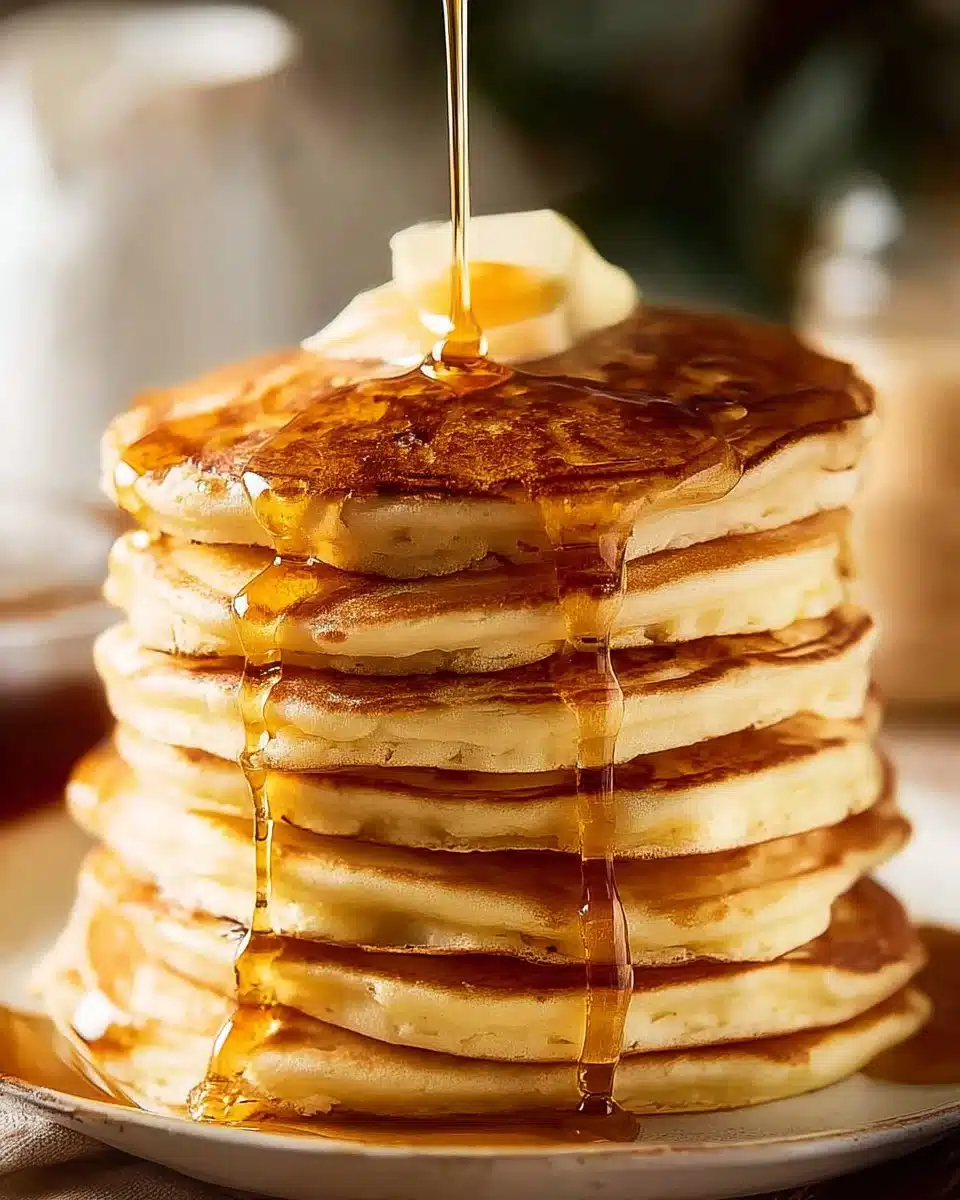
Simple Fluffy Pancakes
Warm, golden pancakes that rise with soft, billowy centers and crisp edges smell like weekend comfort. These simple, fluffy pancakes are the version I refined after testing the batter eight times, changing flour ratios and rest times until the texture was reliably light. The method uses one bowl, a slight whisking technique, and a gentle folding motion that keeps the batter aerated without overworking the gluten. I first taught this at a community cooking class and tweaked it while working in a small brunch kitchen; the result is quick, consistent, and forgiving for home cooks.
If you want a dependable pancake that browns evenly, takes well to mix-ins, and stays tender the next day, this recipe gets you there. Read on for the why, the how, exact measurements in metric and imperial, and tips that stop common pancake mistakes before they happen. For a related variation, try this fluffy pancakes recipe to compare methods and textures.
Why This Recipe Works
- A small amount of melted butter in the batter hydrates the flour and adds richness without weighing the pancakes down.
- Folding beaten egg whites into the batter traps air for lift, creating a lighter interior than simply whisking whole eggs.
- Letting the batter rest for 10–15 minutes relaxes gluten and allows the leaveners to start working, producing a tender crumb.
- Moderate heat (medium) ensures even browning and a cooked-through center without burning the exterior.
- Using a scale for flour prevents dense pancakes caused by overpacking cups.
Ingredients Breakdown
- All-purpose flour — 250 g (2 cups): The base. Weighing flour avoids dense results. Do not pack cups; spoon and level if you must use volume.
- Baking powder — 15 g (1 tablespoon): The primary leavening; fresh powder gives the best lift. If your baking powder is older than 6 months, replace it.
- Baking soda — 2 g (½ teaspoon): Reacts with the buttermilk for extra rise and browning.
- Fine granulated sugar — 25 g (2 tablespoons): Adds color and slight sweetness; can be reduced to 1 tablespoon for less sweet pancakes.
- Salt — 5 g (1 teaspoon) Diamond Crystal kosher salt: If using Morton’s, halve to ½ teaspoon as it is denser.
- Buttermilk — 360 ml (1½ cups): Adds tang and acidity for tender crumb and good browning. If you don’t have buttermilk, mix 360 ml (1½ cups) whole milk with 1½ tablespoons lemon juice or white vinegar and let sit 5 minutes.
- Egg yolks — 2 large (from ~2 large eggs): Add richness. Separate whites for folding.
- Egg whites — 2 large, lightly beaten: Beaten whites give lift and lightness when folded in.
- Unsalted butter, melted and slightly cooled — 60 g (4 tablespoons): Adds flavor and helps the exterior crisp. You can use neutral oil, but butter improves taste.
- Vanilla extract — 5 ml (1 teaspoon): Optional, for flavor.
- Vegetable oil or additional butter for the pan — as needed.
Substitutions and impact warnings:
- Whole wheat flour: Replace up to 25% of the all-purpose flour for nuttier flavor; pancakes will be denser and may need 1–2 tablespoons more milk.
- Dairy-free: Use a dairy-free milk and 1½ tablespoons apple cider vinegar as the acid. Replace butter with melted coconut oil. Texture will be slightly different, and browning may be lighter.
- Gluten-free: Use a 1:1 gluten-free flour blend with xanthan gum. Batter may be looser; add 15–30 ml (1–2 tablespoons) extra flour blend.
Essential Equipment
- Large mixing bowl and a small bowl for egg whites.
- Kitchen scale (recommended) for accurate flour measurement; cups are a fallback.
- Whisk and a rubber spatula for folding; a whisk gives good air incorporation, but folding must be gentle.
- Nonstick skillet or heavy-bottomed griddle, 25–30 cm (10–12-inch): A wide surface lets you cook 2–3 pancakes at once. If you don’t have a griddle, use a heavy skillet.
- Spatula with a thin edge for quick flips.
- Ladle or 60 ml (¼-cup) measuring cup to portion batter evenly.
- Instant-read thermometer (optional) to check surface temperature; aim for 175°C (350°F) pan surface. If you lack this, test with a small drop of water — it should dance and evaporate.
For griddle alternatives, a cast-iron skillet works well; reduce heat slightly to avoid hot spots. For a home-friendly trick, preheat the pan for 4–5 minutes on medium, then lower to medium-low before you pour the batter.
Step-by-Step Instructions
Prep Time: 10 minutes | Cook Time: 10 minutes | Inactive Time: 10–15 minutes | Total Time: 30–35 minutes | Servings: 4 (about 8 pancakes; serving size 2 pancakes)
Step 1: Measure and combine dry ingredients
In a large bowl whisk together 250 g (2 cups) all-purpose flour, 15 g (1 tablespoon) baking powder, 2 g (½ teaspoon) baking soda, 25 g (2 tablespoons) sugar, and 5 g (1 teaspoon) salt. Whisk for 10–15 seconds to evenly distribute the leaveners and salt. This ensures even rise and consistent flavor.
Step 2: Mix wet ingredients
In a separate bowl, whisk 360 ml (1½ cups) buttermilk, 2 egg yolks, 60 g (4 tablespoons) melted butter, and 5 ml (1 teaspoon) vanilla until smooth. The butter should be warm but not hot, or it will cook the eggs. Combine in about 20–30 seconds.
Step 3: Combine wet and dry into a shaggy batter
Pour the wet mixture into the dry ingredients and stir gently until just combined. The batter should be slightly lumpy; do not overmix — stop as soon as no dry flour streaks remain. This takes about 10–15 seconds of stirring. Overmixing develops gluten and yields tough pancakes.
Step 4: Beat egg whites and fold for lift
In a clean, dry bowl, whisk the 2 egg whites until soft peaks form, about 1½–2 minutes with a hand whisk or 45–60 seconds with a stand mixer. Fold one-third of the whites into the batter to loosen it, then gently fold in the rest with a rubber spatula in 4–6 strokes. Fold to keep the air — avoid stirring. This adds volume and makes the interior light.
Step 5: Rest the batter
Let the batter rest for 10–15 minutes at room temperature. During this time, the leaveners begin to react and the gluten relaxes. Resting is essential for tender pancakes; plan this into your timing.
Step 6: Heat the pan and test
Preheat the griddle or skillet over medium to medium-low heat for 4–5 minutes. Lightly oil with 5–10 g (1 teaspoon) butter or oil per pancake area. Test with a 60 ml (¼-cup) scoop of batter: it should sizzle gently and set along the edges in about 2 minutes.
Step 7: Cook the pancakes
Pour 60–75 ml (¼–⅓ cup) batter per pancake. Cook until bubbles form on the surface and edges look set, about 2–3 minutes. Flip and cook the second side until golden brown, about 1–2 minutes more. The interior should be set and tender. Remove to a warm plate while you finish cooking.
Step 8: Keep warm and serve
If making batches, keep pancakes warm on a wire rack in a 90–100°C (200–210°F) oven for up to 20 minutes; stacking on a plate will steam them and soften the edges. Serve immediately with butter and maple syrup, or your preferred toppings.
Expert Tips & Pro Techniques
- Common mistake: cooking on too-high heat gives a burnt outside and raw inside. Keep the pan at medium to medium-low and test with a small pancake first.
- Make-ahead: prepare batter through Step 4, cover tightly, and refrigerate for up to 12 hours. Beat the egg whites and fold in just before cooking. This short rest deepens flavor.
- Professional trick for even thickness: pour batter into a ring mold (8–9 cm / 3–3½ inches) on the griddle, wait 45–60 seconds, then remove ring and finish cooking. This is how cafés get perfect shape.
- For extra lift, separate one extra egg and whip the white to soft peaks; fold it in last.
- Avoid metal bowls for whipped egg whites as residual fat can prevent proper whipping. Use glass or stainless steel.
- If pancakes come out flat, check your baking powder—old leaveners fail. Also, avoid flipping more than once.
Storage & Reheating
- Refrigerator: Store cooled pancakes in an airtight container or zipper bag for up to 3 days. Reheat only the portion you’ll eat to preserve texture.
- Freezer: Pancakes freeze well. Layer cooled pancakes between sheets of parchment in a freezer bag and freeze flat for up to 2 months. Thaw in the refrigerator overnight or reheat from frozen.
- Reheating: For best texture, reheat in a 175°C (350°F) oven for 8–10 minutes on a wire rack, or in a toaster for 1–2 cycles for single pancakes. Avoid microwaving, which makes them gummy.
Variations & Substitutions
- Blueberry Pancakes: Fold 75–100 g (½–¾ cup) fresh or thawed frozen blueberries into the batter after folding in the whites. Keep pancakes slightly smaller and cook an extra 15–30 seconds per side.
- Banana Pancakes: Mash 1 medium ripe banana and fold into the batter, reducing buttermilk to 300 ml (1¼ cups). For reference, see this banana pancake variation.
- Gluten-Free Version: Replace the 250 g (2 cups) flour with a 1:1 GF blend like Bob’s Red Mill and add ¼ teaspoon xanthan gum if not included. The batter may be looser; add 15–30 ml (1–2 tablespoons) extra flour blend if needed.
- Savory Herb Pancakes: Omit sugar and vanilla, fold in 15 g (2 tablespoons) chopped chives and 10 g (2 tablespoons) grated Parmesan. Serve with smoked salmon or soft cheeses.
- Cottage Cheese Boost: For higher protein and tender texture, replace 60 g (4 tablespoons) butter with 60 g (¼ cup) full-fat cottage cheese blended smooth, and see this banana cottage cheese pancake idea for inspiration.
Serving Suggestions & Pairings
- Classic: Butter and pure maple syrup with a dusting of powdered sugar and fresh berries.
- Fruit-forward: Top with sautéed apples spiced with cinnamon and a drizzle of honey; technique tips similar to our apple cinnamon pancakes.
- Savory brunch: Serve with crispy bacon, fried eggs, and a lemony arugula salad.
- Beverage pairings: Freshly brewed coffee, a citrusy mimosa, or a creamy chai.
Nutrition Information
Per serving: 2 pancakes (recipe yields 4 servings)
- Calories: 430 kcal
- Total Fat: 20 g
- Saturated Fat: 10 g
- Cholesterol: 110 mg
- Sodium: 480 mg
- Total Carbohydrates: 54 g
- Dietary Fiber: 1.5 g
- Sugars: 9 g
- Protein: 10 g
Nutrition values are estimates. Actual values may vary based on specific ingredients and preparation methods.
Frequently Asked Questions
Q: Why did my pancakes turn out flat and dense?
A: Flat pancakes are usually from one of three causes: old baking powder, overmixing the batter (develops gluten), or too much liquid. Use fresh leaveners, stir only until combined, and weigh flour for accuracy.
Q: Can I make this without eggs?
A: Yes. Replace each whole egg with 60 g (¼ cup) unsweetened applesauce plus 1 teaspoon baking powder per egg, and omit the separate white folding step. Texture will be slightly denser.
Q: Can I double this recipe for a crowd?
A: Yes, you can double the ingredients easily. Mix in a larger bowl and cook in batches. Keep finished pancakes warm on a wire rack in a 90–100°C (200–210°F) oven. Do not double-beat egg whites in a small bowl—use enough space for proper aeration.
Q: Can I prepare the batter the night before?
A: You can prepare steps through mixing the wet and dry components and refrigerate covered for up to 12 hours. Whip the egg whites and fold them in just before cooking. This keeps the lift fresh.
Q: How long do these pancakes keep in the fridge?
A: Stored in an airtight container, pancakes keep for up to 3 days in the refrigerator. Reheat only what you need to preserve texture.
Q: My pancakes brown on the outside but are raw inside. What should I do?
A: Your pan is too hot. Lower to medium-low and cook a test pancake to adjust timing. Also check batter thickness — too-thin batter spreads and may cook unevenly; use a slightly thicker scoop.
Q: What’s the best oil or fat to cook pancakes in?
A: Unsalted butter gives the best flavor and browning. For higher smoke point, use a neutral oil like canola or grapeseed, or a mix of butter and oil (half-and-half).
Conclusion
If you’d like another tested approach with a video walkthrough, compare this method with the clear, step-by-step guide at Laura Fuentes’ fluffy pancakes recipe, which highlights different mixing and rest techniques. For more inspiration and highly-rated variations to try next, see Cafe Delites’ Best Fluffy Pancakes.
Enjoy the light, tender stacks—and remember, gentle folding and the short rest are the small moves that make big differences.
Print
Simple Fluffy Pancakes
- Total Time: 30 minutes
- Yield: 4 servings 1x
- Diet: Vegetarian
Description
Warm, golden pancakes with soft, billowy centers and crisp edges, perfect for a cozy breakfast.
Ingredients
- 250 g (2 cups) all-purpose flour
- 15 g (1 tablespoon) baking powder
- 2 g (½ teaspoon) baking soda
- 25 g (2 tablespoons) fine granulated sugar
- 5 g (1 teaspoon) salt
- 360 ml (1½ cups) buttermilk
- 2 large egg yolks
- 2 large egg whites, lightly beaten
- 60 g (4 tablespoons) unsalted butter, melted and slightly cooled
- 5 ml (1 teaspoon) vanilla extract (optional)
- Vegetable oil or additional butter for the pan
Instructions
- Measure and combine dry ingredients: In a large bowl whisk together flour, baking powder, baking soda, sugar, and salt.
- Mix wet ingredients: In a separate bowl, whisk buttermilk, egg yolks, melted butter, and vanilla until smooth.
- Pour the wet mixture into the dry ingredients and stir gently until just combined.
- Beat the egg whites until soft peaks form and fold into the batter.
- Let the batter rest for 10–15 minutes at room temperature.
- Preheat the griddle or skillet over medium heat and lightly oil.
- Cook pancakes, pouring 60–75 ml (¼–⅓ cup) batter per pancake until bubbles form, then flip.
- Serve immediately with butter and syrup or your preferred toppings.
Notes
For best results, ensure that baking powder is fresh and avoid overmixing the batter.
- Prep Time: 10 minutes
- Cook Time: 10 minutes
- Category: Breakfast
- Method: Griddling
- Cuisine: American
Nutrition
- Serving Size: 2 pancakes
- Calories: 430
- Sugar: 9g
- Sodium: 480mg
- Fat: 20g
- Saturated Fat: 10g
- Unsaturated Fat: 5g
- Trans Fat: 0g
- Carbohydrates: 54g
- Fiber: 1.5g
- Protein: 10g
- Cholesterol: 110mg