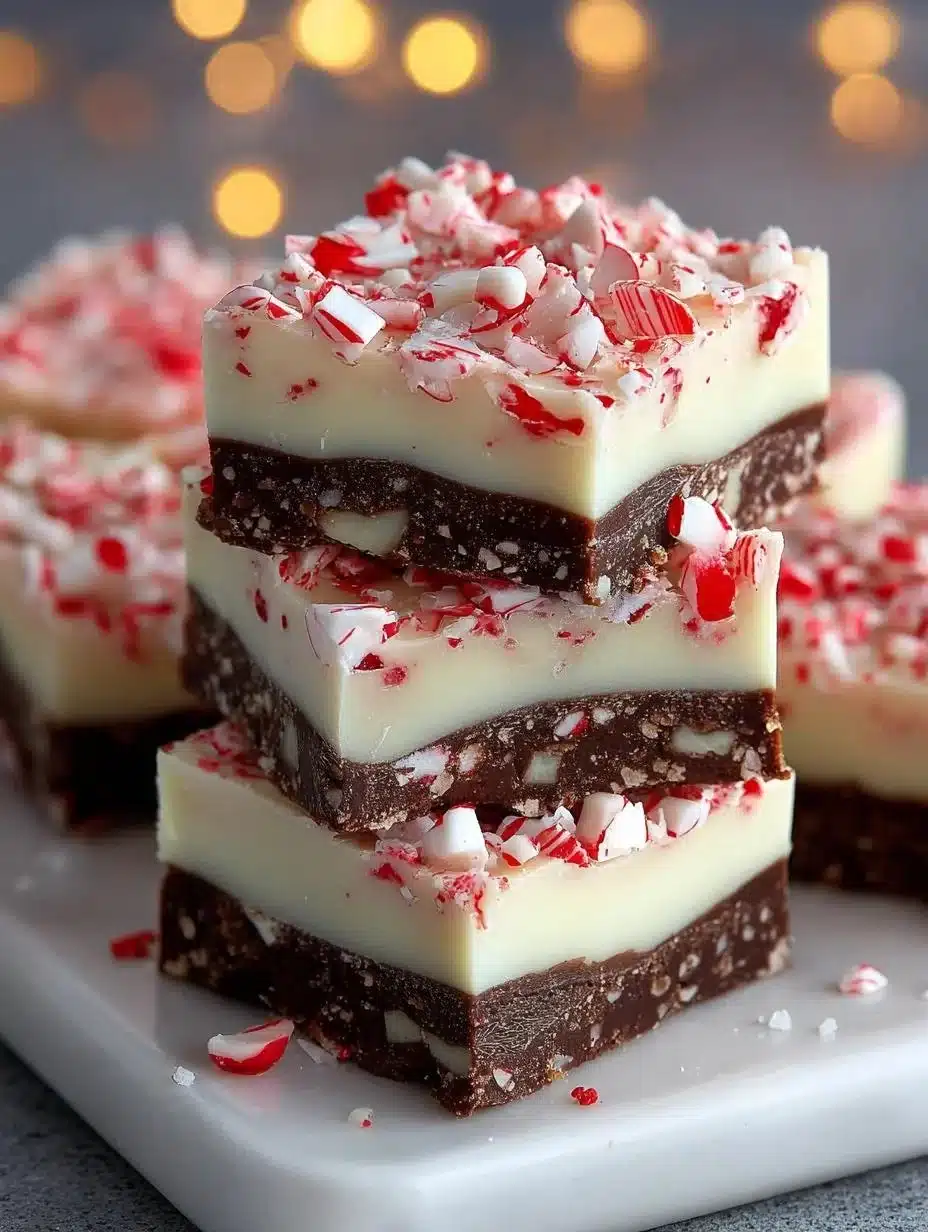
Traditional Irresistible Peppermint Bark Fudge guide
Begin with a smell: toasted chocolate, sharp peppermint, the crisp snap of sugar against the teeth. If that image makes you want to walk to the kitchen, you’re in the right place. This Traditional Irresistible Peppermint Bark Fudge guide is written to be the definitive, practical, and patient mentor you can return to whenever you want flawless peppermint bark-style fudge.
In this guide you’ll gain:
- A clear understanding of what makes peppermint bark fudge different from plain fudge or peppermint bark.
- A step-by-step recipe and process that scales from a small batch to gifts.
- Troubleshooting, advanced techniques, and creative variations to adapt to any skill level or dietary need.
- Confidence to experiment while keeping consistent results.
Read on to learn not just the how, but the why—so you can bake with intentionality and dependable results.
Background & Context
Peppermint bark and fudge have separate, straightforward histories that converge deliciously in peppermint bark fudge.
Classic Irresistible Peppermint Bark Fudge history starts with two traditions: chocolate confections flavored with mint and the American invention of fudge. Peppermint bark—layers of dark and white chocolate studded with crushed candy cane—became widely popular in the late 20th century, often associated with holiday gift culture. Fudge, meanwhile, traces back to late 19th-century American candy-making, with its texture defined by controlled sugar crystallization.
The combination makes cultural sense. People love textural contrast—soft, creamy fudge with crunchy peppermint—and the visual appeal of white and dark layers. The result is both festive and fundamentally simple, which explains why "Traditional Irresistible Peppermint Bark Fudge guide" resonates as a repeatable classic.
Personal note: the first time I combined rich dark chocolate fudge with a crisp white peppermint topping, I learned that the best batches were the ones made with attention—the temperature of the chocolate, the cooling environment, and the timing of the peppermint addition. Small details changed texture and shelf life dramatically.
Why This Approach Works
This guide takes a methodical, layered approach because it balances control and accessibility.
Benefits:
- Predictable texture. By controlling sugar crystallization in the fudge layer and gently tempering or cooling the top layer, you get consistent creaminess with a crisp peppermint layer.
- Flexibility. The method adapts to equipment limits—no special tools required—and to dietary swaps.
- Time efficiency. Steps are parallelizable: while one layer sets, you can prep toppings or packaging.
Common doubts addressed:
- “Do I need to temper chocolate?” No, not strictly. Tempering gives shine and snap but is optional if you use compound chocolate or don’t need a glossy finish. This guide shows both tempered and “no-temper” approaches.
- “Is peppermint candy cane the only option?” No. You can use peppermint extract, oil, or crushed hard candies for texture and intensity adjustments.
Why this works: the guide separates the chemistry (sugar crystallization, fat behavior) from the art (timing, aesthetics). You’ll learn both.
Core Concepts Explained
Break the recipe into logical parts so you understand how each piece contributes.
Fudge base (structure and texture)
- Purpose: makes the dense, creamy foundation.
- Key factors: sugar concentration, fat content (butter/cream), and crystal control.
- Example: heating to "soft-ball" stage then beating cools sugar to yield small crystals and a smooth mouthfeel.
Chocolate layers (flavor and structure)
- Dark/chocolate layer: provides depth and balance.
- White chocolate layer: gives contrast and holds the peppermint.
- Concept: white chocolate contains more cocoa butter and sugar but no cocoa solids; it behaves differently under heat.
Peppermint element (aroma and crunch)
- Forms: extract, crushed candy cane, peppermint oil.
- Trade-offs: crushed candy adds texture but can be hygroscopic (absorbs moisture); extract adds flavor without texture.
Assembly (integration)
- Rationale: controlling temperatures between layers avoids melting or cracking.
- Strategy: let the fudge base cool enough to accept the white layer without blending, but remain warm enough to adhere.
Alternatives and substitutions:
- Dairy-free: use coconut cream and dairy-free chocolate.
- Lower-sugar: use sweeteners like erythritol with care—texture may differ.
- Color: add natural peppermint oil and a small amount of red food gel for a festive swirl (avoid liquid color in chocolate).
Tools, Resources, or Foundations
Essentials:
- Heavy-bottom saucepan (prevents scorching).
- Candy thermometer (or reliable instant-read thermometer).
- Spatula, loaf pan or 8×8/9×9 baking pan lined with parchment.
- Microwave-safe bowls or double boiler for melting chocolate.
Optional enhancements:
- Stand mixer for beating fudge evenly.
- Silicone molds for individual pieces.
- Offset spatula for smooth top layers.
Budget-friendly alternatives:
- If you don’t own a candy thermometer, use the cold-water soft-ball test (drop syrup into cold water and test pliability).
- Use glass or metal bowls for double boiling instead of specialty chocolate bowls.
Commentary on usefulness:
- The candy thermometer pays off immediately—saves repeated failures.
- A sturdy spatula and lined pan simplify cleanup and produce cleaner cuts.
Step-by-Step Process
This section gives a reliable, scalable recipe and process. Times assume typical home-kitchen conditions.
Yield: About 24 small squares (8×8 pan)
Total time: ~2 hours (active: 30–45 minutes; chilling: 1–1.5 hours)
Ingredients:
- 2 cups granulated sugar
- 2/3 cup evaporated milk or heavy cream
- 1/2 cup (1 stick) unsalted butter
- 12 oz dark or semi-sweet chocolate, chopped or chips
- 6 oz white chocolate, chopped or chips
- 1 to 1.5 tsp peppermint extract (adjust to taste)
- 1/2 tsp salt
- 3/4 cup crushed peppermint candy (candy canes or peppermint brittle)
- 1 tsp vanilla extract (optional, for depth)
Notes: For richer fudge, increase butter by 1–2 tbsp. For denser, longer-setting fudge, use evaporated milk.
H3: Step 1 — Prepare and measure (10 minutes)
- Line an 8×8 pan with parchment, leaving an overhang for easy removal.
- Measure and chop chocolates; place white chocolate in a separate microwave-safe bowl.
- Crush peppermint candy: place in a zip-top bag and gently hit with a rolling pin. Reserve some larger shards for decoration.
Pro tip: Uniform chocolate pieces melt more evenly.
H3: Step 2 — Cook the base (15–20 minutes)
- In a heavy-bottom saucepan, combine sugar, evaporated milk/heavy cream, butter, and salt.
- Stir over medium heat until butter melts and sugar dissolves.
- Attach a candy thermometer. Bring mixture to a simmer, then to the soft-ball stage (234–240°F / 112–115°C).
- Once at soft-ball, remove from heat immediately.
Common mistake: overheating beyond soft-ball leads to grainy or overly hard fudge.
H3: Step 3 — Add chocolate and beat (8–10 minutes)
- Quickly stir in the chopped dark chocolate until mostly melted.
- Add vanilla and 1 tsp peppermint extract.
- If you have a stand mixer, transfer mixture to bowl and beat on medium for 5–7 minutes until fudge thickens and loses gloss. If using hand mixing, beat until texture is creamy (may take longer).
- Fold in 1/2 cup of crushed peppermint gently.
Timing note: Beating too long can over-crystallize; too little leads to graininess.
H3: Step 4 — Pour and set (30–45 minutes)
- Pour fudge into prepared pan and smooth surface.
- Let cool at room temperature for 20–30 minutes until slightly set but still warm.
Pro tip: If your kitchen is warm, chill for a short time (10–15 minutes) to prevent existing layer from absorbing toppings.
H3: Step 5 — Melt and apply white layer (10 minutes)
- Melt white chocolate gently (microwave in 15–20 second bursts, stirring) or in a double boiler.
- Stir in remaining peppermint extract (start with 1/4 tsp and adjust).
- Pour white chocolate over fudge base and spread evenly.
- Immediately sprinkle remaining crushed peppermint over the top, pressing lightly so pieces adhere.
Alternative: For a marble effect, swirl a small amount of melted dark chocolate or red gel into the white layer.
H3: Step 6 — Chill and cut (1–1.5 hours)
- Chill the pan until fully set (1 hour refrigerated).
- Remove using parchment overhang; use a sharp chef’s knife warmed under hot water and dried for clean cuts.
- Store in an airtight container separated by parchment sheets.
Common mistake: Cutting too soon makes crumbly edges. Patience yields cleaner squares.
Common mistakes + how to avoid them
- Grainy fudge: Caused by premature crystallization. Avoid stirring while syrup is heating and beat well after removing from heat.
- Separated layers: Caused by pouring too-hot white chocolate onto cool fudge (or vice versa). Aim for a warm-to-warm but not hot transition.
- Melted peppermint: Large shards will absorb moisture if placed on warm chocolate. Add delicate pieces at the last minute or chill briefly before sprinkling.
Embed pro tips as you go:
- Use premium chocolate for better mouthfeel; compound chocolates are fine for no-temper convenience.
- Control humidity: high humidity can make candies sticky.
Expert Techniques & Insights
Once you’ve mastered the basics, these techniques will level up quality and efficiency.
Tempering white chocolate for snap and shine:
- White chocolate tempering is trickier due to low cocoa solids. Use the seeding method: melt 2/3 of white chocolate to 110°F (43°C), remove from heat, add the remaining chocolate to bring it down to about 84–86°F (29–30°C), then gently rewarm to 88–90°F (31–32°C).
- Benefit: better set, less bloom (white streaks), more visual appeal for gifts.
Using invert sugars or corn syrup:
- Small amounts of corn syrup (1–2 tbsp) help control sugar crystallization and keep fudge smoother and less grainy.
Scaling up:
- Multiply ingredients and use a larger, heavy-bottom pot. Be extra careful with heat distribution and stirring to avoid hotspots.
Packaging tips:
- Use parchment separators and pack in airtight tins.
- Add a small food-safe desiccant packet (for long shipping) to prevent moisture damage.
Lessons learned:
- Patience beats shortcuts. Quick refrigeration can make textures brittle or cause condensation.
- Taste as you go—peppermint intensity varies. Start conservative.
Variations & Adaptations
This recipe is versatile. Here are reliable adaptations.
Dietary swaps:
- Vegan/dairy-free: Use coconut milk (full-fat) and vegan butter; select vegan dark and white-style chocolates (coconut-based white chocolate substitutes).
- Lower sugar: Use a tested confectioner erythritol blend designed for candy making—expect textural differences.
Flavor variants:
- Chocolate peppermint swirl: Swirl in ganache ribbons made from dark chocolate.
- Spiced peppermint bark fudge: Add 1/2 tsp cinnamon or cardamom for holiday warmth.
- Boozy fudge: Add 1–2 tbsp peppermint schnapps or crème de menthe for adult-friendly kernels.
Form factor adaptations:
- Individual bonbons: Press fudge into silicone molds and top with crushed peppermint.
- Thin bark-style sheets: Pour thin layers on a lined sheet for a snackable bark.
Cultural or practical flexibility:
- Use regional candies (e.g., peppermint drops) for unique textures.
- Incorporate nuts (toasted almonds) for crunch and contrast.
Analysis & Benefits Breakdown
A quick comparison of three popular approaches helps you decide which to make.
| Approach | Texture | Effort | Shelf Life | Best For |
|—|—:|—:|—:|—|
| Classic fudge base + white peppermint layer | Creamy base with crunchy top | Moderate | 2–3 weeks refrigerated | Gifts, make-ahead desserts |
| Thin bark-style (no fudge) | Crisp, brittle | Low | 3–4 weeks sealed | Quick gifts, shipping |
| Tempered professional finish | Clean snap, glossy | High | 3–4 weeks | Selling, special presentations |
Strengths, limitations, considerations:
- Fudge base wins on comfort and richness; it’s forgiving for texture.
- Bark is faster but less indulgent in mouthfeel.
- Tempering ups aesthetics but requires skill.
Preparation, Retention & Long-Term Use
Preparing effectively:
- Mise en place: chop, measure, and line pans before you start heat work.
- Kitchen temperature: 65–72°F (18–22°C) is ideal for setting without humidity interference.
Retention (storage) strategies:
- Refrigerate in airtight containers. Layer with parchment to prevent sticking.
- For longer storage, freeze tightly wrapped squares for up to 3 months. Thaw in the fridge overnight before serving.
Longevity of knowledge:
- Mastering the soft-ball stage and beating method will translate to many confections (caramels, caramels-based fudges).
- Understanding chocolate tempering and fat behavior applies to truffles and molded candies.
Troubleshooting & Common Problems
Problem → Cause → Solution
- Grainy fudge → Sugar crystallized too early (stirred while heating) → Reheat gently with a little water, dissolve, then redo the soft-ball stage and beat correctly. Or accept texture and rework into iced dessert topping.
- White layer softens or bleeds → Fudge still warm when topping added → Chill fudge until warmth dissipates; apply white chocolate when base is cool-warm.
- Peppermint topping sticky → Humidity or crushed candy exposed to moisture → Store in cool, dry place; add topping just before serving when possible.
- Chocolate bloom (white streaks) → Fat or sugar rise to surface due to temperature fluctuation → Proper tempering reduces bloom; if occurred, it’s cosmetic—still tastes fine.
- Too firm or too hard → Overcooked to a high temperature → Reduce target temp (aim for soft-ball). For future batches, test with cold-water drop.
Reassurance: Most problems are fixable or cosmetic. Taste is the final judge.
FAQ
Q: Can I make this without a candy thermometer?
A: Yes—use a cold-water soft-ball test (drop a bit of syrup into cold water; it should form a pliable ball). But a thermometer reduces guesswork and improves consistency.
Q: How much peppermint extract should I use?
A: Start with 1 tsp in the base and 1/4–1/2 tsp in the white layer. Peppermint is potent; adjust to taste but remember a little goes a long way.
Q: Can I use crushed peppermints or candy canes interchangeably?
A: Yes. Candy canes give larger shards and more visual interest; crushed peppermints give uniform texture. Avoid powdered candies that can dissolve into syrup.
Q: Is this safe to ship as a gift?
A: Ship chilled in insulated packaging with cold packs. For longer shipping, freeze and ship overnight; include instructions to thaw slowly.
Q: How do I get clean cuts?
A: Warm your knife under hot water, dry it, then slice in a single motion. Wipe and re-warm between cuts.
Q: What’s the difference between peppermint bark and peppermint bark fudge?
A: Peppermint bark is typically thin chocolate sheets layered and broken into pieces. Peppermint bark fudge uses a dense fudge base topped with a peppermint-studded chocolate layer—more substantial and creamy.
Q: Can I add nuts?
A: Absolutely. Toasted nuts add crunch and flavor. Fold them into the base or sprinkle on top.
Q: My white chocolate seized—what do I do?
A: If seized by moisture, try stirring in a teaspoon of warm cream to smooth it; if that fails, use the chocolate as a glaze over warm fudge where it will melt and integrate.
Related Topics & Next Steps
After mastering this Traditional Irresistible Peppermint Bark Fudge guide, explore:
- Tempering masterclass for glossy finishes.
- Creative packaging for edible gifts and small business ideas.
- Pairing confections with beverages (coffee, tea, dessert wines).
Consider writing down your adjusted recipe and process notes the first few times you make it—those observations become your personal reference.
Quick Reference Summary
- Prep: Line pan, chop chocolate, crush peppermint.
- Cook: Heat to soft-ball stage (234–240°F), remove from heat.
- Mix: Add chocolate, flavor, beat until thick and creamy.
- Top: Pour fudge base, cool slightly, spread white chocolate, add candy.
- Chill: Fully set in fridge 1 hour, cut with warmed knife.
- Store: Airtight in fridge 2–3 weeks, freeze up to 3 months.
Keep a small notebook of temperatures, timings, and peppermint amounts as you personalize the recipe.
Conclusion
You now have a practical, repeatable path from fundamentals to advanced techniques for producing traditional, robust peppermint bark-style fudge. Whether you’re making an inaugural batch for friends or refining a signature gift for the holidays, the balance of chemistry and craft in this Traditional Irresistible Peppermint Bark Fudge guide will serve you well.
For inspiration on classic peppermint bark presentation and alternative topping techniques, see this Peppermint Bark Recipe – Sally’s Baking. If you’re looking for pairing ideas, dessert menus, or ways to present your fudge alongside frozen treats, check out Ice Cream Shop Menu | Häagen-Dazs® Locations.
Print
Traditional Irresistible Peppermint Bark Fudge
- Total Time: 75 minutes
- Yield: 24 small squares 1x
- Diet: Vegetarian
Description
A classic holiday treat combining rich dark chocolate fudge with a crisp peppermint topping.
Ingredients
- 2 cups granulated sugar
- 2/3 cup evaporated milk or heavy cream
- 1/2 cup (1 stick) unsalted butter
- 12 oz dark or semi-sweet chocolate, chopped or chips
- 6 oz white chocolate, chopped or chips
- 1 to 1.5 tsp peppermint extract (adjust to taste)
- 1/2 tsp salt
- 3/4 cup crushed peppermint candy (candy canes or peppermint brittle)
- 1 tsp vanilla extract (optional, for depth)
Instructions
- Line an 8×8 pan with parchment, leaving an overhang for easy removal.
- Measure and chop chocolates and place white chocolate in a separate bowl.
- Crush peppermint candy and reserve some larger shards for decoration.
- In a heavy-bottom saucepan, combine sugar, evaporated milk, butter, and salt. Stir over medium heat until butter melts and sugar dissolves.
- Bring to a simmer, then to the soft-ball stage (234–240°F / 112–115°C). Remove from heat immediately.
- Quickly stir in the chopped dark chocolate until mostly melted. Add vanilla and 1 tsp peppermint extract. Beat until fudge thickens and loses gloss. Fold in 1/2 cup of crushed peppermint gently.
- Pour fudge into the pan and smooth the surface. Let cool at room temperature until slightly set.
- Melt white chocolate and stir in remaining peppermint extract. Pour over fudge base and sprinkle with remaining crushed peppermint.
- Chill the pan until fully set (1 hour). Remove using parchment overhang and cut with a warmed knife.
Notes
For richer fudge, increase butter by 1–2 tbsp. Ensure the fudge is cool enough before adding the white chocolate to prevent melting.
- Prep Time: 10 minutes
- Cook Time: 65 minutes
- Category: Dessert
- Method: Cooking
- Cuisine: American
Nutrition
- Serving Size: 1 square
- Calories: 250
- Sugar: 32g
- Sodium: 100mg
- Fat: 10g
- Saturated Fat: 5g
- Unsaturated Fat: 4g
- Trans Fat: 0g
- Carbohydrates: 36g
- Fiber: 1g
- Protein: 2g
- Cholesterol: 16mg