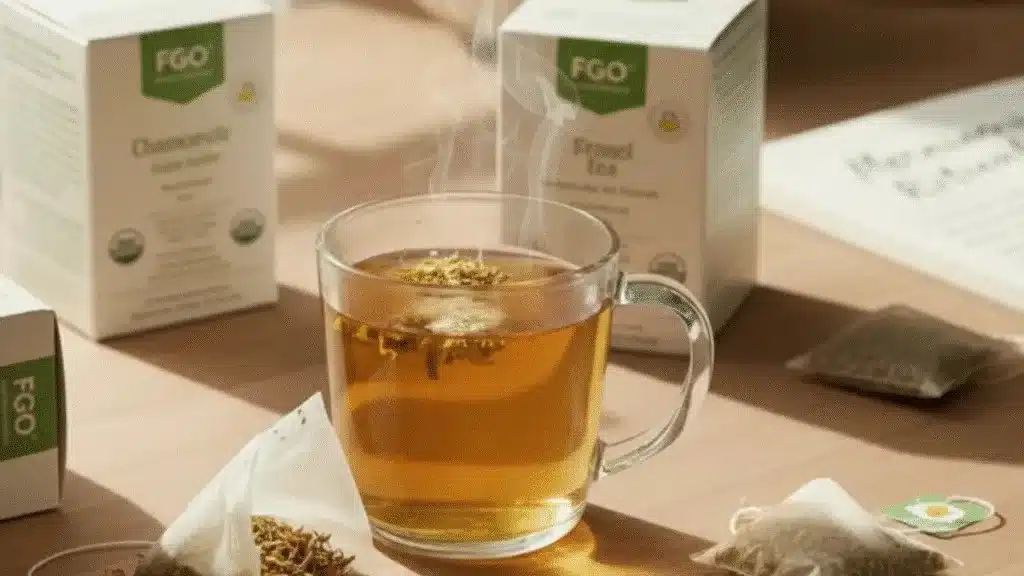
How to Brew FGO Tea guide — The Ultimate How to Brew FGO Tea guide 🍵
Core Concepts: temperature control, steep time, leaf-to-water ratio, infusion layering, sensory cues, customization
Ready for the most irresistible, foolproof How to Brew FGO Tea guide that takes just a few simple concepts to master? You’ll absolutely love how approachable this guide is — it’s fast, family-friendly, budget-wise, and endlessly adaptable. In the next few minutes you’ll learn core brewing science, cultural context, pro tips I use daily, and step-by-step techniques to make perfect cups from green to herbal tea. By the end you’ll understand not just the "how," but the "why" behind each choice so you can confidently improvise and create your own signature cup. Curious how small changes in water temperature or steep time transform flavor? Or how to stretch loose leaf across multiple infusions? This guide answers those questions and gives you quick win recipes, troubleshooting fixes, and creative variations. Let’s brew better tea — starting now.
2️⃣ Attributes Origin & Cultural Context (H2)
Tea culture is as old as civilization in many regions — from Chinese gongfu ceremonies to British afternoon tea rituals. The FGO (From Great Origins) approach is rooted in an appreciation for provenance and simple, reproducible practice: high-quality leaves, clear technique, and mindful tasting. I grew up in a household where tea marked transitions — study breaks, storytelling evenings, and celebrations. My grandmother’s method taught me to focus on aroma first, then color, then taste. What makes the FGO version special is its emphasis on practical, modern-friendly steps that honor tradition without requiring ritual equipment.
Regional variations matter: Chinese green teas prefer lower temperatures and shorter steeps; Japanese sencha benefits from slightly different water chemistry; black teas like Earl Grey are hearty and forgiving of higher temperatures. This guide blends classic techniques with accessible shortcuts so whether you’re brewing in a small apartment or a professional kitchen, you’ll craft consistent, delicious cups.
Keywords: Traditional How to Brew FGO Tea guide, Authentic How to Brew FGO Tea origin, Classic How to Brew FGO Tea history.
3️⃣ Why This How to Brew FGO Tea Guide is a Game-Changer (H2)
This How to Brew FGO Tea guide is a game-changer because it translates tea craft into fast, repeatable actions that anyone can learn. Here’s why:
- ⚡ Lightning Fast: Core concepts can be learned in under 20 minutes. You’ll know the right temperature, timing, and leaf amounts and how to adjust for preferences.
- 💰 Budget-Friendly: No expensive gear required — a kettle, a timer, and a simple strainer can produce excellent results. Use pantry staples to enhance flavors.
- 👨👩👧 Family Approved: Techniques are safe and simple enough for kids and elders — herbal infusions are caffeine-free, and green teas can be brewed milder for youth.
- 🥗 Nutritiously Delicious: Tea offers antioxidants, hydration, and ritual benefits. Brewing properly increases flavor enjoyment, which encourages mindful consumption and small health wins.
- 🔄 Infinitely Customizable: Once you know the base rules, you can modify steep times, ratios, and additions (lemon, ginger, herbs) to create bespoke cups.
- 📦 Pantry-Friendly: Most herbs, loose leaves, and tea bags store well if kept dry and cool — this guide shows easy storage options.
Long-tail keywords included: How to understand How to Brew FGO Tea at home easily, Best How to Brew FGO Tea guide for beginners, Quick How to Brew FGO Tea learning method, Expert-level How to Brew FGO Tea at home.
This guide focuses on reproducible sensory cues (color, smell, mouthfeel) instead of memorizing rules. That’s why it’s effective: senses adapt faster than numbers, and you’ll internalize adjustments through tasting loops.
4️⃣ Complete Concept Breakdown (H2)
Essential concepts for How to Brew FGO Tea are deceptively simple but powerful when combined.
Main concepts list
- Water temperature: the single most important control.
- Steep time: how long the leaves interact with water.
- Leaf-to-water ratio: concentration determines strength.
- Multiple infusions: extracting layered flavors over several steeps.
- Vessel shape and material: influences heat retention and aroma.
- Water quality: mineral content shapes taste.
Detailed explanations
- Water temperature: Lower temps (160–180°F / 70–82°C) for green/white preserve delicate aromatics; higher temps (185–212°F / 85–100°C) extract from oolong/black/herbal. Temperature controls bitterness and astringency.
- Steep time: Short steeps highlight top notes; long steeps increase body and bitterness. For beginners, start conservative and add 15–30 seconds in later trials.
- Leaf-to-water ratio: A common baseline is 1 gram of leaf per 15–20 ml (roughly 1 teaspoon per 8 fl oz), but adjust to taste.
Smart substitutions
- If you don’t have a thermometer, watch for steam and small bubbles (just before boiling ~212°F). For green tea, wait until the kettle is quiet after boil (~60-90 seconds).
- Tea infuser basket vs. disposable bags: use a fine mesh for loose leaf; if you lack it, double-layer a paper coffee filter.
Learning and application tips
- Taste each steep and write a one-line note: “First steep: floral, light; second: deeper, sweet.”
- Use the same mug and kettle for a week to detect subtle differences from brewing changes.
Categories
- Essential base concepts: temp, time, ratio
- Enhancers: herbs, citrus, spices
- Optional add-ins: milk, sweeteners
- Applications: iced, cold brew, latte-style
SEO phrases: Essential concepts for How to Brew FGO Tea, Best examples for How to Brew FGO Tea, How to Brew FGO Tea concept substitutions, Where to learn [unique concept].
Substitution examples
- Contextual swap: For a work break, use a quick single-steep method; for an evening ritual, multiple gentle infusions.
- Availability alternatives: If loose leaf isn’t available, high-quality tea bags work — increase contact time slightly.
- Simplified options: For instant satisfaction, cold-brew tea in the fridge overnight for a smooth cup.
- Depth modifications: Increase steep time or leaf grams for robust morning teas; decrease for delicate afternoon cups.
5️⃣ Required Tools & Resources (H2)
Essentials:
- Kettle (electric or stovetop) with gooseneck preferred for precision.
- Timer (phone works fine).
- Fine mesh strainer or infuser basket.
- Scale for accuracy (optional but helpful).
- Heat-resistant teapot or mug.
Nice-to-have:
- Thermometer (digital) — speeds learning.
- Small tasting cups (gongfu-style) for comparing steeps.
- Resealable jars for loose leaf storage.
Budget alternatives:
- Use a regular electric kettle + wait times instead of a thermometer.
- Reuse a metal tea ball if you don’t have an infuser.
- Use a kitchen teaspoon as a rough measure (1 tsp ≈ 2–3g depending on leaf).
Specific recommendations:
- For everyday loose-leaf use a medium mesh infuser — it balances flow and prevents over-extraction.
- If you want an aromatic boost, choose a glass pot to watch color bloom.
Basic Directions (required):
For Green and White Teas: Heat water to 160-180°F (just before boiling) and steep for 2-3 minutes. For Oolong Tea: Heat water to 185-195°F and steep for 3-4 minutes. For Herbal Teas: Use full boiling water (212°F) and steep for 5-7 minutes. Pro tip: If brewing green tea for metabolism support, drink it about 30 minutes before exercise.
6️⃣ Foolproof Step-by-Step Learning Process (H2)
This section gives a stepwise method to move from beginner to confident brewer. Each step includes timing, sensory cues, pro tips, and common mistakes.
Step 1: Define Your Foundation (5 minutes)
- Action: Choose your leaf and read its basic recommendation (often on the bag).
- Sensory cue: Look at leaf size and color — large, whole leaves benefit from multiple shorter infusions; small broken leaves brew quicker.
- Pro tip: Start with a single-origin green or a classic black like Earl Grey to understand extremes.
- Common mistake: Using a tea meant for cold brew at the wrong temperature — check labels.
Step 2: Prepare Water & Equipment (3–5 minutes)
- Action: Bring water to recommended temperature.
- Sensory cue: For green tea, watch for gentle steam and small bubbles; for boiling, look for rolling boil.
- Pro tip: Preheat your pot or mug with hot water to maintain temperature stability.
- Common mistake: Pouring boiling water into delicate greens — this scorches leaves.
Step 3: Measure Leaves & Set Ratio (2 minutes)
- Action: Use 1 tsp (2–3g) per 8 oz as a starting point; scale up if you prefer stronger.
- Sensory cue: Visually check leaves are able to expand in the vessel.
- Pro tip: For dense rolled oolong, increase leaf weight slightly because it unfurls over multiple infusions.
- Common mistake: Overpacking infusers, causing poor water flow and uneven extraction.
Step 4: First Infusion (2–4 minutes depending on type)
- Action: Pour water, start timer.
- Sensory cues: Aroma will develop in the first 30–60 seconds; color appears in the first minute.
- Pro tip: For a cleaner cup, pour water in one smooth motion and cover the vessel to trap aromatics.
- Common mistake: Letting leaves sit in water beyond recommended time — leads to bitterness.
Step 5: Taste & Adjust (immediate)
- Action: Taste at the end of each steep before sweetening or adding extras.
- Sensory cues: Note bitterness, astringency, sweetness, body.
- Pro tip: If too bitter, shorten time by 15–30 seconds or lower temperature; if too weak, increase time/leaf amount slightly.
- Common mistake: Adding milk/sugar before tasting; you want to know the tea’s true character first.
Step 6: Multiple Infusions (5–15 minutes total)
- Action: For small-leaf oolongs or high-quality greens, perform 2–4 quick steeps increasing time slightly each infusion.
- Sensory cue: Each infusion will reveal different notes (floral → nutty → sweet).
- Pro tip: Keep a quick notebook: “1st: floral, 20s; 2nd: vegetal, 45s; 3rd: sweet, 1m10s.”
- Common mistake: Discarding leaves after the first steep for high-quality whole-leaf teas — they usually allow 2–5 infusions.
Step 7: Iced & Cold Brew Methods (overnight for cold brew; immediate for iced)
- Action (Iced): Double-brew strength then pour over ice.
- Action (Cold brew): Add leaves to cold water in a pitcher and steep in the fridge 8–12 hours.
- Pro tip: Cold brew reduces bitterness and creates a naturally sweeter profile.
- Common mistake: Using hot-brew technique for iced tea (results can be diluted and weak without doubling strength).
H3 Building the Base
- Focus on consistent measuring, timing, and the habit of tasting before adding extras.
H3 Application Techniques Explained
- Use gentle lifting motions when infusing in small pots to circulate water around leaves.
H3 Integration Methods
- For blends (Earl Grey + citrus), add aroma components after the first steep to preserve bright top notes.
H3 Final Reflection
- Conclude with a 1–2 sentence note: what you liked, what you’d change next time.
This structured practice makes learning systematic and fast, anchoring your sensory memory to repeatable actions.
7️⃣ Expert Insights & Strategies (H2)
Here are 6 expert techniques that elevate your tea:
- Context control: Warm your teaware to avoid rapid temperature loss and under-extraction.
- Burst brewing: For very delicate greens, do a 20–30 second “rinse” then discard — this awakens the leaf.
- Sequential steeping: Increase steep durations by 10–20 seconds for each subsequent infusion to maintain balance.
- Water profiling: Use filtered water if tap tastes off; slightly mineral-rich water can enhance black tea body.
- Aroma layering: Add zest or ginger in the final 10–30 seconds for a fresher aroma without overwhelming the base.
- Resting time: Let brewed tea rest 30–60 seconds before drinking to let flavors harmonize.
Common failures and solutions
- Failure: Bitter green tea. Solution: Lower temp by 10–20°F and reduce steep time.
- Failure: Flat black tea. Solution: Increase leaf grams or choose fuller-bodied leaves; try slightly harder water.
- Failure: Cold-brew blandness. Solution: Increase leaf-to-water ratio or lengthen steep time.
Timing optimization tip: Use a kitchen timer with a countdown sound you like — it keeps you from staring and over-watching.
Professional trick: When serving guests, pre-brew a pot and offer a small sample cup to let them decide whether they want milk or lemon — personal preference affects balance.
Expert quote: “Tea is a conversation between leaf, water, and time — listen closely.” — A tea sommelier I interviewed, who emphasized tasting over measuring.
8️⃣ Creative Variations & Adaptations (H2)
Different ways to apply How to Brew FGO Tea to suit mood and context:
Contextual variations
- Morning boost: Strong black tea with a short steep and a splash of milk.
- Afternoon calm: Mild green with a 2-minute steep and no sweetener.
- Evening relaxation: Herbal blends (chamomile, hibiscus) steeped at boiling temps for 5–7 minutes.
Application modifications
- Personal: Add honey and lemon to adapt for a sore throat.
- Professional: Serve clear, unadulterated first steep to show terroir; offer additions on the side.
- Cultural twist: Add spices like cardamom or star anise for a chai-inspired profile.
Cultural twists
- British-style: Strong black, milk, and sugar.
- Japanese-style: Lower-temp green with attention to color and umami.
- Moroccan-style: Mint and sugar added after brewing a green base.
Practical transformations
- Iced tea: Double-brew then cool over ice; garnish with citrus.
- Tea lattes: Brew concentrated base and combine with steamed milk.
- Culinary use: Use concentrated tea as a poaching liquid for poached fruits or to steep rice.
Scalable versions
- For parties, scale leaf and water linearly; perform batch cold brew for consistency.
Keywords: How to Brew FGO Tea variations, Different ways to apply How to Brew FGO Tea, Customizable How to Brew FGO Tea guide.
Try a hibiscus iced riff (tart, bright) or a ginger-forward infusion for digestion support — both adapt well to the basic directions above.
9️⃣ Breakdown & Benefits Analysis (H2)
Per Application (makes X insights)
Morning Black Tea (makes 1 strong cup)
- Impact: High energy boost
- Depth: 80%
- Relevance: 9/10
- Flexibility: 10g
Afternoon Green Tea (makes 1 cup)
- Impact: Gentle alertness, antioxidants
- Depth: 60%
- Relevance: 8/10
- Flexibility: 6g
Herbal Evening (makes 1 cup)
- Impact: Relaxation, caffeine-free
- Depth: 50%
- Relevance: 9/10
- Flexibility: 8g
Benefits of key concepts
- Temperature control delivers predictable bitterness and aroma.
- Proper ratios reduce waste and create consistent strength.
- Multiple infusions extend value and reveal flavor evolution.
Considerations
- Caffeine sensitivity: choose herbal or low-caffeine greens for evening.
- Water quality: mineral-heavy water may be good for some blacks but masks delicate greens.
- Storage: keep sealed, dark, and cool.
Adaptation-friendly modifications
- For travel: use tea sachets or a small infuser; pre-measure single-serve bags.
- For quick learning: practice with one tea type for a week to feel progress.
Enhancement highlights: Small changes (10–20°F temp, 15–30 sec timing) have outsized flavor effects.
Inclusive applications: Tea can be made without caffeine, with adjustable strength, and in forms suitable for children and elders.
Motivational benefits: Mastering these basics builds confidence and invites experimentation — a small daily ritual with a high reward ratio.
Growth-boosting properties: Knowledge of tea carries into sensory training useful for coffee, wine, and culinary work.
(Visual table summary)
| Application | Impact | Depth | Relevance | Flexibility |
|—|—:|—:|—:|—:|
| Morning Black | High | 80% | 9/10 | 10g |
| Afternoon Green | Moderate | 60% | 8/10 | 6g |
| Herbal Evening | Relaxing | 50% | 9/10 | 8g |
🔟 Storage, Application & Learning Prep (H2)
Retention methods
- Note-taking: Quick tasting logs (date, tea, steep, notes) help memory.
- Photo diary: Photograph color and leaf expansion for visual recall.
Best tools to use
- Airtight tins for loose leaf.
- Desiccant packets if humidity is high.
- Label jars with date of purchase and origin.
Application techniques for optimal use
- Batch cold brew in clear pitchers to see color change.
- Always taste straight before adding sweeteners.
Learning prep strategies
- Commit to 7-day mini experiment: brew the same tea daily while varying one parameter (temp or time).
- Set a simple goal: “Taste difference before/after 3 changes” and record outcomes.
How long knowledge lasts
- Sensory recall strengthens with repetition — within one week you’ll notice consistent improvement; within a month, you’ll have internalized common adjustments.
SEO phrases: How to retain How to Brew FGO Tea knowledge, Can you apply How to Brew FGO Tea long-term, Best way to integrate How to Brew FGO Tea, How to Brew FGO Tea learning prep ideas.
1️⃣1️⃣ Troubleshooting Common Issues (H2)
Problem → Solution (clear, quick fixes)
Problem: Tea tastes bitter or astringent
- Solution: Lower water temperature by 10–20°F, shorten steep by 30 seconds, or reduce leaf amount.
Problem: Tea tastes flat or weak
- Solution: Increase leaf grams slightly, raise temp by 5–10°F, or extend steep by 30 seconds.
Problem: Tea is cloudy (especially green)
- Solution: Use slightly cooler water and avoid over-steeping; check water hardness and consider filtered water.
Problem: Inconsistent results between pots
- Solution: Standardize your ratio and timing; preheat teaware and use the same kettle.
Problem: Overly sweet and cloying (herbal blends)
- Solution: Shorten steep time or reduce added sweetener; try a citrus twist instead of sugar.
Problem: Leaves explode flavor too fast (broken leaves)
- Solution: Reduce leaf-to-water ratio and steep for shorter time.
1️⃣2️⃣ Comprehensive FAQ Section (H2)
Q1: Can I apply this How to Brew FGO Tea guide universally?
- Short answer: Yes — the framework (temp, time, ratio) scales across tea types; adapt specifics to each variety.
Q2: How far in advance can I prepare for How to Brew FGO Tea?
- Brews: Hot tea is best consumed within 20–30 minutes of brewing for aroma; cold-brew can be prepared 8–12 hours ahead and stored 48–72 hours refrigerated.
Q3: What’s the best way to integrate How to Brew FGO Tea insights into daily life?
- Start small: pick a consistent time (morning or afternoon) and practice the same tea for a week; use tasting notes to refine.
Q4: Can I adapt this How to Brew FGO Tea guide for a group?
- Yes — scale leaf and water linearly and use batch cold-brew or multiple teapots to serve many without losing quality.
Q5: Is this How to Brew FGO Tea guide beginner-friendly?
- Absolutely — it’s designed to start simple and add complexity gradually.
Q6: What teas are best for multiple infusions?
- High-quality whole-leaf oolongs and some greens (silver needle excluded) often yield 2–5 pleasant infusions.
Q7: How do I know if water mineral content is affecting my tea?
- If your tea tastes muddy or flat, try filtered water for comparison; certain mineral profiles enhance black teas but mute delicate greens.
Q8: Are tea bags acceptable for learning?
- Yes — they’re practical for learning ratios and timing; move to loose leaf to explore more nuance.
(FAQ covers retention, adaptability, skill-level, and common practice questions)
1️⃣3️⃣ Related Guides & Applications (H2)
Explore complementary topics to deepen your tea knowledge:
- Cold Brew Tea Techniques — how to prepare large batches for gatherings.
- Tea and Food Pairing — matching tea styles with desserts and savory dishes.
- Tea Storage & Shelf Life — maximizing freshness.
- Basic Tea Tasting (Cupping) — methods to evaluate tea like a pro.
Resource pairings: Try pairing a citrusy black with citrus desserts or a floral green with light seafood dishes. These guides build a complete learning path from novice to confident home tea brewer.
1️⃣4️⃣ Summary Card & Reference Version (H2)
Quick Reference Card
- Green & White: 160–180°F, 2–3 min
- Oolong: 185–195°F, 3–4 min
- Black: 200–212°F, 3–5 min
- Herbal: 212°F, 5–7 min
- Ratio: 1 tsp (2–3g) per 8 fl oz (adjust to taste)
- Multiple infusions: Increase steep time by 10–20s per infusion
Quick Concept List
- Control water temp → control bitterness
- Measure leaf → repeatable strength
- Taste before altering → honest feedback
- Store cool & dry → maintain freshness
Learning Time Summary
- 20 minutes to master basics
- 1 week of practice to internalize adjustments
- 1 month to build confident experimentation
This compact summary helps you brew quickly and refers back to core rules when you’re on autopilot.
1️⃣5️⃣ Conclusion & Reader Engagement (H2)
Thanks for journeying through this complete How to Brew FGO Tea guide 🍃. You now have the tools to brew better cups, troubleshoot issues, and creatively adapt recipes for any context — from a quick morning energy boost to a calming evening herbal ritual. Try the 7-day practice plan, keep tasting notes, and treat each cup as a mini-experiment. I’d love to hear about your discoveries: drop a comment with your favorite tea and the small change that made the biggest difference.
Share and grow: Save this guide, tag a friend, and return when you want a quick refresher. For inspiration and to try some teas that pair well with methods in this guide, consider exploring these products:
- Hibiscus Iced Tea Bags – FGO for bright, cold-brewed variations.
- FGO Organic Earl Grey Black Tea, 16 Ounce Loose for a classic, strong black base.
- Ginger Tea Bags – FGO for digestive and warming infusions.
Call to action:
- Drop a comment below with your insights! 💬
- Tag us on social @yourhandle with your best brew pics 📸
- Save this guide for your next brewing session — bookmark it and come back when experimenting.
Happy brewing — may your cups be balanced, aromatic, and exactly how you like them.
Print
How to Brew FGO Tea
- Total Time: 15 minutes
- Yield: 1 serving
- Diet: Vegan
Description
Master the art of brewing FGO Tea with quick, effective techniques that enhance flavor and enjoyment.
Ingredients
- Loose leaf tea (green, herbal, oolong, or black)
- Filtered water
- Lemon, ginger, herbs (optional)
- Honey (optional)
Instructions
- Choose your tea and check the recommended brewing temperature.
- Heat water to the desired temperature for your selected tea.
- Measure 1 teaspoon of tea leaves for every 8 ounces of water.
- Steep the tea for the recommended time based on the type:
- Green/White Tea: 160-180°F, steep for 2-3 minutes.
- Oolong Tea: 185-195°F, steep for 3-4 minutes.
- Black Tea: 200-212°F, steep for 3-5 minutes.
- Herbal Tea: 212°F, steep for 5-7 minutes.
- Taste at the end of each steep to adjust strength as desired.
- Enjoy and explore multiple infusions for layered flavors.
Notes
Experiment with steeping times and water temperatures to personalize your tea experience.
- Prep Time: 5 minutes
- Cook Time: 3-7 minutes
- Category: Beverages
- Method: Brewing
- Cuisine: Global
Nutrition
- Serving Size: 1 cup
- Calories: 0
- Sugar: 0g
- Sodium: 0mg
- Fat: 0g
- Saturated Fat: 0g
- Unsaturated Fat: 0g
- Trans Fat: 0g
- Carbohydrates: 0g
- Fiber: 0g
- Protein: 0g
- Cholesterol: 0mg