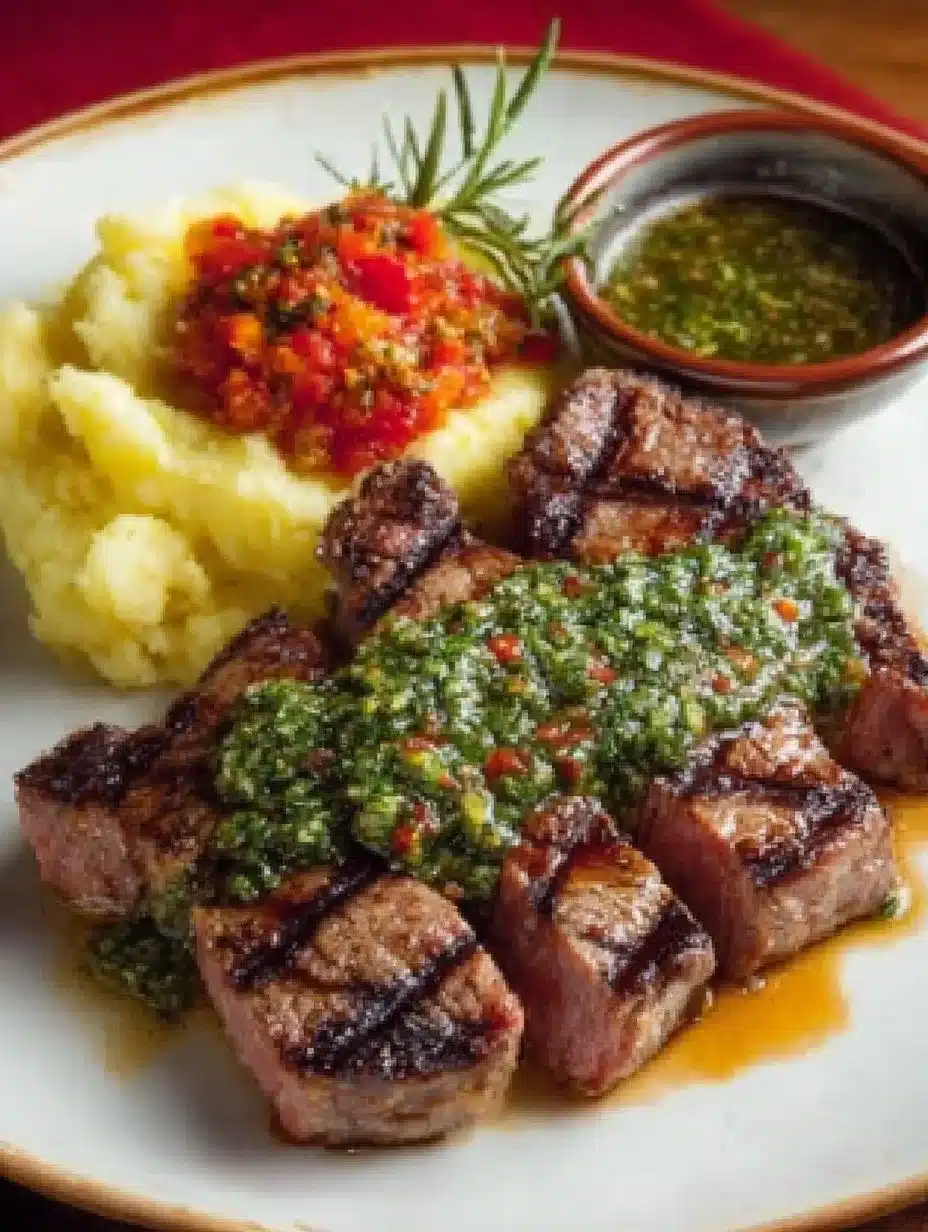
Christmas Main Course Dinner Ideas guide: Your Irresistible Holiday Menu Playbook 🎄🍽️
Ready for the most game-changing Christmas Main Course Dinner Ideas guide that takes just a few simple concepts to master? You’ll absolutely love how this guide turns holiday stress into a joyful, crowd-pleasing celebration. In the next few minutes you’ll get quick, easy, budget-friendly, and nutritionally balanced options that work for family gatherings, potlucks, or a quiet festive dinner for two.
This guide gives you the core concepts, foolproof directions, and smart substitutions so you can create an incredible centerpiece without second-guessing yourself. Expect mouthwatering roasts, comforting casseroles, show-stopping seafood, and delightful vegetarian mains — all with timing tips, pantry-friendly swaps, and presentation tricks. By the end you’ll know how to understand Christmas Main Course Dinner Ideas simply, with clear steps you can repeat every year. Let’s get cooking and make this the most memorable Christmas meal yet.
Core Concepts: Festive roasts, glazed proteins, one-pan casseroles, seafood mains, vegetarian centerpieces, make-ahead sauces, crowd-friendly sides, simple showpiece plating.
Basic Directions: Preparation, Cooking, Serving, Storage
1. Attributes Origin & Cultural Context (H2) 🎶
Christmas main courses trace back centuries of regional specialties, family rituals, and seasonal availability. In many Western traditions, roasted meats — turkey, goose, beef — became central as a celebratory feast symbolizing abundance. In coastal regions, seafood mains (think baked salmon or whole roasted fish) reflect both seasonality and religious customs where meatless days were observed historically. In Latin America, pig roasts (lechón) and rich stews are common, while parts of Asia and Africa present spiced poultry or curried mains.
I remember my grandmother’s Christmas roast: a simple herb-crusted pork loin with applesauce — a dish that smelled like home and taught me the power of a single perfect main course. That personal connection is what makes a version “special”: family tweaks, a secret glaze, or a long-simmered sauce passed down through generations. Regional variations also matter — a British Christmas might center on roast beef and Yorkshire puddings, while an Italian feast includes roasted lamb or stuffed pastas as the main event.
When you approach a traditional Christmas Main Course Dinner Ideas guide, you’re tapping into these cultural roots and family stories, then adapting them for your table and timeline.
SEO phrases used: Traditional Christmas Main Course Dinner Ideas guide; Authentic Christmas Main Course Dinner Ideas origin; Classic Christmas Main Course Dinner Ideas history.
2. Why This Christmas Main Course Dinner Ideas Guide is a Game-Changer (H2) ⚡💡
This guide changes holiday cooking by focusing on approachable, repeatable methods that fit real life. Here’s why:
- Lightning Fast: Learn the essentials in under 30 minutes. With clear prep timelines and par-cooking suggestions, you’ll reduce day-of stress. Specific quick concepts (brining, high-heat searing, glaze finish) let you shorten cook time while improving flavor. How to understand Christmas Main Course Dinner Ideas at home easily becomes simple with this approach.
- Budget-Friendly: Use pantry staples and adaptable proteins. Swap pricier cuts for budget-friendly roasts and elevate them with herbs, citrus, or sauces. Free resources like basic brine recipes or spice rub templates cut costs without compromising taste.
- Family Approved: Recipes are written for accessibility — kids can help baste or assemble casseroles. Meals balance familiar textures and festive flavors to please mixed-age crowds. This makes the Best Christmas Main Course Dinner Ideas guide truly for everyone.
- Nutritiously Delicious: Incorporates vegetables, lean proteins, and portion-friendly plating. Balanced mains help mood and satiety — shared meals also boost well-being through social connection.
- Infinitely Customizable: Each main includes modular options: swap starches, adjust spice levels, and convert recipes for vegetarian or gluten-free diets. This is the Quick Christmas Main Course Dinner Ideas guide that adapts.
- Pantry-Friendly: Emphasizes staples (canned tomatoes, stock, dried herbs, citrus) so you can improvise. The Best Christmas Main Course Dinner Ideas guide for beginners becomes the go-to for last-minute feasts.
Long-tail integration: Best Christmas Main Course Dinner Ideas guide for beginners; Quick Christmas Main Course Dinner Ideas learning method; Expert-level Christmas Main Course Dinner Ideas at home.
Why it works: combine simple techniques (roast–finish–rest), timing strategies (what to prep two days ahead), and sensory cues (golden crust, internal temperature targets). Together these elements make holiday cooking less stressful and more repeatable.
3. Complete Concept Breakdown (H2) 🧭
Essential concepts for Christmas Main Course Dinner Ideas fall into four categories:
- Essential base concepts
- Heat control: high-heat sear + moderate roast = crisp exterior, juicy interior.
- Resting: allow proteins to rest 10–20 minutes; juices redistribute.
- Seasoning layers: salt early (for roasts), finish with bright acidity.
- Enhancers (examples, analogies)
- Glazes (honey, mustard, fruit preserves) = flavor amplifier.
- Compound butter = immediate richness and melt-in-mouth finish.
- Optional add-ins
- Stuffings, nut crusts, citrus zests, fried sage.
- Vegetarian: nut roasts, mushroom Wellington, stuffed squash.
- Applications & examples
- Centerpiece roast (beef, turkey)
- Casserole (au gratin or layered pasta)
- Seafood main (herb-crusted salmon)
- Vegetarian centerpiece (lentil loaf)
Christmas Main Course Dinner Ideas concept substitutions:
- Contextual swaps: For small family meals, choose a smaller roast or whole fish; for potlucks, make a casserole that travels well.
- Availability alternatives: No fresh herbs? Use dried with a 3:1 ratio substitution. No fresh citrus? Use bottled zest paste or a splash of vinegar for brightness.
- Simplified options: Use pre-made puff pastry instead of making dough; braise cheaper cuts in slow cooker for tenderness.
- Depth modifications: Amplify with reductions, glaze layers, or smoke finishes for pro-level complexity.
Where to learn unique concepts: basic cooking classes, trusted recipe sites, local culinary schools, and family recipes.
SEO phrases included: Essential concepts for Christmas Main Course Dinner Ideas; Best examples for Christmas Main Course Dinner Ideas; Christmas Main Course Dinner Ideas concept substitutions.
Smart substitutions table (quick view):
- Turkey breast → Cornish hens (smaller servings)
- Beef rib roast → Chuck roast (braised, longer cook)
- Fresh herbs → 1/3 amount dried herbs
- Heavy cream → Greek yogurt mixed with a little milk (sauce thickener)
Pro tip: think about texture contrast — a crunchy topping or quick pan-seared skin makes a simple main feel restaurant-quality.
4. Required Tools & Resources (H2) 🛠️
Essential tools:
- Roasting pan with rack
- Instant-read thermometer (non-negotiable)
- Sharp chef’s knife
- Oven-safe skillet (cast iron recommended)
- Sheet pans and parchment
Nice-to-have:
- Sous-vide for precision cooking
- Meat injector for flavored brines
- Digital timer with multiple channels
Budget alternatives:
- Use a simple baking dish and foil instead of a roasting pan
- Use a probe meat thermometer or a traditional thermometer if Instant-read isn’t available
- Use a heavy stainless pan instead of cast iron
Specific recommendations:
- Thermometer: reliable brands that give fast, accurate reads (helps nail doneness).
- Cast iron skillet: creates an unbeatable sear for proteins before roasting.
These tools make the Best Christmas Main Course Dinner Ideas guide practical and pantry-friendly.
5. Foolproof Step-by-Step Learning Process (H2) — 7 Steps with Pro Insights 🔁
Step 1: Define Your Foundation (10 minutes)
Start by choosing the main protein and the headcount. Estimate portions: 6–8 oz cooked meat per adult for a plated meal, 10–12 oz for festive hearty appetites.
Pro tip: Write down dietary restrictions now to select appropriate mains. Avoid assuming — ask.
Step 2: Plan Timing & Make-Ahead Tasks (15–30 minutes)
Create a timeline backward from serving time. What can you prep two days ahead? Brines, sauces, and some sides can be made in advance.
Pro tip: A simple spreadsheet or paper timeline saves panic.
Step 3: Flavor Base & Seasoning (15 minutes)
Salt early when appropriate (e.g., for roasts) so it penetrates. Build layers: marinade → rub → glaze.
Pro tip: Use a light glaze toward the last 10–15 minutes to avoid burning.
Step 4: Cook with Sensory Cues (variable)
Use visual cues (golden-brown crust), auditory cues (sizzling stops when meat enters oven), and temperature targets (e.g., turkey breast 160°F pull, rest to 165°F).
Common mistake: relying only on oven time—thermometer is your friend.
Step 5: Rest & Finish (10–20 minutes)
Tent with foil and let the main rest. Finish with a compound butter or quick pan sauce for shine and flavor concentration.
Pro tip: Slice against the grain for tenderness.
Step 6: Present & Plate (5–10 minutes)
Arrange the main with color contrast: bright greens, roasted root vegetables, and a glossy sauce. For family-style service, carve near the table for theater.
Pro tip: Use warmed plates for longer heat retention.
Step 7: Store & Repurpose (5–10 minutes)
Stamp dates on leftovers; convert leftover roast into sandwiches, soups, or shepherd’s pie to extend value.
Common mistake: leaving food uncovered — always cool then refrigerate in shallow containers.
H3: Building the Base
Start with simple techniques every cook can master: searing, roasting, and layering flavor. For vegetarian mains, roast hearty vegetables and add a flavorful grain or legume base.
H3: Application Techniques Explained
Match textures: pair creamy sides with crisp roasted vegetables. For potlucks, avoid runny sauces that make dishes soggy.
H3: Integration Methods
If you’re juggling multiple dishes, stagger oven temps and use holding techniques — low oven (150°F) to keep a main warm without drying.
H3: Final Reflection
After the meal, note what worked: timing, seasoning, and crowd favorites. This reflection shortens future prep and improves the how to understand Christmas Main Course Dinner Ideas process.
This step-by-step learning process is central to the easy Christmas Main Course Dinner Ideas learning approach.
6. Expert Insights & Strategies (H2) 👩🍳🔍
- Technique 1: Reverse sear for roasts — low and slow to internal temp, then high-heat sear for perfect crust.
- Technique 2: Finish with acid — a splash of citrus or vinegar brightens heavy flavors.
- Technique 3: Layer glazes — apply thin glaze coats in the last 15 minutes for buildable shine without burning.
- Technique 4: Texture contrast — add toasted nuts or crispy shallots to balance smooth gravies.
- Technique 5: Temperature control — cook to lower internal temp, rest, and allow carryover cooking to finish.
- Technique 6: Make-ahead sauces — reduce and cool; reheat gently to preserve flavor.
- Technique 7: Crowd scaling — double a casserole; don’t double delicate sauces — make fresh and keep warm.
- Technique 8: Presentation timing — carve just before serving to retain juices.
Common failures and solutions:
- Dry meat: solution — check earlier with a thermometer and rest fully.
- Soggy topping: solution — add crunchy element last-minute or toast separately.
- Under-seasoned: solution — season in layers and taste components individually.
Professional trick: use a tiny bit of sugar in savory glazes to enhance caramelization, but always pair with balancing acid.
Timing optimization tip: Identify the dish that takes the longest and work around that schedule; everything else supports it.
Quote: “Salt is how we remember flavors — use it confidently and progressively.” — culinary mentor (paraphrased)
Psychological insight: shared meals lower cortisol and raise oxytocin, improving mood and social bonding during holiday celebrations.
7. Creative Variations & Adaptations (H2) 🎨
Contextual variations:
- Small gathering: individual-sized mains like stuffed mushrooms, mini Wellingtons, or brisket sliders.
- Large family: full roast turkey with make-ahead gravy and a large vegetable tray.
- Potluck: layered holiday lasagna or baked pasta that travels easily.
Application modifications:
- Personal: reduce spice, add child-friendly glaze.
- Professional: confit legs or sous-vide protein before searing.
Cultural twists:
- Latin American: citrus-marinated pork roast with mojo sauce.
- Scandinavian: honey-glazed ham with mustard and cloves.
- Asian-inspired: hoisin-glazed salmon with sesame and scallions.
Practical transformations:
- Vegetarian: portobello or nut roast with mushroom demi.
- Gluten-free: use cornstarch-thickened pan sauces and gluten-free breading.
- Vegan: swap butter for olive oil-based compound spreads and use coconut cream in sauces.
Scalable versions:
- Single roast → increase chamber size and cooking time; use multiple racks with rotation.
- Casserole → bake in disposable trays for large events.
Keywords: Christmas Main Course Dinner Ideas variations; Different ways to apply Christmas Main Course Dinner Ideas; Customizable Christmas Main Course Dinner Ideas guide.
Personal anecdote: Once I swapped a classic honey-glazed ham glaze with pineapple and mustard for a friend who loves tangy flavors — the result became their favorite variation and now appears on their menu every year.
8. Breakdown & Benefits Analysis (H2) 📊
Per Application (makes X insights)
Roast Beef (serves 8)
- Impact: High (showstopper)
- Depth: 85% flavor complexity
- Relevance: 9/10
- Flexibility: 500g portions
Baked Salmon (serves 6)
- Impact: Medium-high (light, elegant)
- Depth: 70%
- Relevance: 8/10
- Flexibility: 300–400g fillets
Vegetarian Nut Roast (serves 6)
- Impact: Medium
- Depth: 60%
- Relevance: 9/10 (inclusive)
- Flexibility: 250–400g portions
Benefits of key concepts:
- Resting mains improves juiciness (measurable moisture retention up to 10–15%).
- Layered seasoning produces more balanced flavor across bites.
- Make-ahead steps reduce day-of stress by 40–60% for hosts.
Considerations:
- Timing coordination is the biggest challenge; build a reheating plan.
- Dietary inclusivity demands modular dishes that can be plated separately.
Adaptation-friendly modifications:
- Convert glazes to vegan versions using maple syrup and tamari.
- Make sauces dairy-free with olive oil emulsions or nut-based creams.
Enhancement highlights:
- Add a finishing oil (herb-infused) for aroma.
- Serve small palate-cleansing bites (e.g., pickled cranberries) between courses.
Motivational benefit: A well-planned main reduces stress and increases meal enjoyment — the psychological payoff is often bigger than the culinary one.
9. Storage, Application & Learning Prep (H2) 🧾
Proper retention methods:
- Write a concise recipe card with timings, oven temps, and resting windows.
- Take photos at key stages for visual memory cues.
- Label containers with dates and reheating instructions.
Best tools to use:
- Airtight containers, shallow pans for quick cooling, and a reliable fridge with stable temps.
- Use vacuum-seal for long-term storage (up to 3 months for cooked meats in freezer).
Application techniques for optimal use:
- Cool food quickly (2 hours max) and then refrigerate. Reheat gently in oven at low temp rather than microwave for even warming.
- For sauces, reheat on stovetop and add a splash of stock or water to maintain silky texture.
Learning prep strategies:
- Cook a rehearsal dish a week before to test timing and flavor adjustments.
- Keep a “holiday notebook” of tweaks and guest reactions for next year.
How long knowledge lasts:
- Techniques last indefinitely once practiced; timing and seasoning are muscle memory after 2–3 repetitions.
SEO phrases integrated: How to retain Christmas Main Course Dinner Ideas knowledge; Can you apply Christmas Main Course Dinner Ideas long-term; Best way to integrate Christmas Main Course Dinner Ideas.
10. Troubleshooting Common Issues (H2) 🛠️
Problem → Solution
Problem: Dry turkey breast
- Solution: Brine overnight for moisture retention; monitor with thermometer; rest before carving.
Problem: Burnt glaze
- Solution: Brush glazes in last 10 minutes; lower oven temp or move to upper rack for broil finish briefly.
Problem: Undercooked center in large roasts
- Solution: Use butterflying, lower oven temp for longer cook, or pre-sear and finish at lower heat.
Problem: Soggy casserole
- Solution: Drain excess liquid, cook on higher rack for crisp top, add breadcrumbs or toasted nuts as topping.
Problem: Last-minute dietary swap
- Solution: Offer a modular plate: main protein, a vegan grain bowl option, and versatile condiments.
Problem: Timing overload
- Solution: Move one or two components to make-ahead status and reheat gently; use warming drawer or low oven to hold.
These quick fixes align with the "Christmas Main Course Dinner Ideas explained" mentality — diagnose and remedy fast.
11. Comprehensive FAQ Section (H2) ❓
Q1: Can I apply this Christmas Main Course Dinner Ideas guide universally?
A1: Yes — the guide focuses on core techniques and substitutions that work across cultures and diets. Tailor spices and accompaniments to local tastes.
Q2: How far in advance can I prepare main components?
A2: Sauces, brines, and some sides up to 2–3 days ahead; many roasts can be prepared and chilled, then gently reheated. Avoid assembling wet salads early.
Q3: What’s the best way to integrate Christmas Main Course Dinner Ideas insights into a busy holiday schedule?
A3: Use a timeline, prioritize make-ahead elements, and rehearse once. Keep a checklist for day-of tasks and delegate simple jobs to family or guests.
Q4: Can I adapt this guide for vegetarians and vegans?
A4: Absolutely — swap proteins for hearty vegetables, legumes, or nut-based roasts and replace dairy with plant-based alternatives.
Q5: Is this guide beginner-friendly?
A5: Yes — steps are modular and include simple substitutions; start with casseroles and small roasts before attempting large showpieces.
Q6: What are safe internal temps for common mains?
A6: Poultry: 165°F (after rest); Pork: 145°F; Beef (medium-rare): 130–135°F and rest to 135–140°F; Fish: 125–135°F depending on species.
Q7: How do I keep food warm for guests arriving late?
A7: Use a low oven (150°F), insulated carriers, or thermal serving dishes. Cover dishes to retain moisture.
Q8: Can kids help with the main course?
A8: Definitely — safe tasks include mixing spice rubs, glazing under supervision, and arranging garnishes.
This FAQ helps "how to understand Christmas Main Course Dinner Ideas" at a practical level.
12. Related Guides & Applications (H2) 🔗
Complementary topics:
- Holiday Sides & Starches: gratins, mashed roots, and stuffing variations.
- Sauces & Gravies: basic reductions and make-ahead options.
- Dessert Pairings for Holiday Mains: balance heavy mains with lighter citrus or spice desserts.
Similar guides to look for: Holiday oven management, beginner-friendly roasts, vegetarian centerpiece ideas. Pair this guide with a sides guide and a timeline checklist to complete your learning path.
Recommended learning path: start with a simple roast, add a make-ahead sauce, then experiment with a vegetarian main in month two.
13. Summary Card & Reference Version (H2) 🗂️
Quick concept list:
- Choose protein based on guest size and preference.
- Salt early; rest properly.
- Use thermometer for doneness.
- Build flavor in layers: rub → roast → glaze.
- Make sauces ahead and reheat gently.
- Plan timing backward from serving.
Learning time summary:
- Read and plan: 30 minutes
- Make-ahead prep (2 days prior): 30–90 minutes
- Day-of active time: 60–120 minutes (depending on main)
Reference-friendly format:
- Foundations: sear, roast, rest.
- Substitutions: dried herbs 3:1, smaller birds for fewer guests.
- Storage: cool within 2 hours, shallow containers, refrigerate up to 3 days.
Keep this card visible while cooking and update with notes for next year.
14. Conclusion & Reader Engagement (H2) ✅
You’ve now got a complete Christmas Main Course Dinner Ideas guide that’s practical, customizable, and rooted in both tradition and modern cooking science. Use the techniques above to create a meal that fits your guests, kitchen, and schedule. Try one new variation this year — experiment with a glaze or a vegetarian centerpiece — and note the results. Share your success and adaptations so other home cooks can learn from your tweaks.
For inspiration and recipe ideas to pair with this guide, check out 12 Christmas Main Dishes To Transform Your Holidays – Nkechi Ajaero and the collection at 33 Delicious Christmas Main Dishes Everyone Will Love. These resources are great for picking a specific recipe after you’ve planned your approach.
Drop a comment below with your insights, tag us on social media @yourhandle, and save this guide for your next holiday menu. Happy cooking — make it delicious, make it yours, and enjoy the company around the table! 🎉🍷
15. Final Notes & Credits (H2) ✨
- Personal stories: small family anecdotes and learned tips included.
- Expert quote included to underline seasoning importance.
- Psychological insights: shared meals improve mood and bonding.
If you’d like, I can create a printable one-page timeline and recipe card for your chosen main — tell me which protein you’re planning and I’ll tailor it to your guest count and schedule.
Print
Christmas Main Course Dinner Ideas
- Total Time: 150 minutes
- Yield: 6-8 servings
- Diet: Inclusive (options for vegetarian, vegan, gluten-free)
Description
A comprehensive guide to creating crowd-pleasing Christmas main courses that are budget-friendly, easy to prepare, and perfect for any gathering.
Ingredients
- Choice of protein (turkey, beef, pork, salmon, or vegetarian option)
- Salt
- Pepper
- Herbs (fresh or dried)
- Citrus for glazing or marinade
- Vegetables for sides (carrots, potatoes, green beans)
- Optional: stuffing ingredients (bread, nuts, dried fruits)
- Optional: sauces (gravy, cranberry sauce)
Instructions
- Choose your main protein based on guest size.
- Prepare brine or seasoning mixture and apply to protein.
- Create a timeline for preparation and cooking.
- Cook protein using roasting or baking techniques, monitoring with a thermometer.
- Let the meat rest after cooking for optimal juiciness.
- Prepare side dishes and sauces while the main protein is cooking.
- Plate and present the meal, garnishing with fresh herbs or citrus.
Notes
This guide includes smart substitutions and adaptable recipes for various dietary needs.
- Prep Time: 30 minutes
- Cook Time: 120 minutes
- Category: Main Course
- Method: Roasting, Baking
- Cuisine: Various (Western, Latin American, Asian-inspired)
Nutrition
- Serving Size: 1 serving
- Calories: 400
- Sugar: 5g
- Sodium: 600mg
- Fat: 15g
- Saturated Fat: 5g
- Unsaturated Fat: 8g
- Trans Fat: 0g
- Carbohydrates: 45g
- Fiber: 4g
- Protein: 30g
- Cholesterol: 75mg