
Air Fryer Chicken Fillets guide: The quickest, juiciest dinner you’ll love! 🍗✨
Ready for the most irresistible Air Fryer Chicken Fillets guide that takes just minutes to master? You’ll absolutely love how simple, fast, and foolproof this method is — perfect for busy weeknights, meal prep, or impressing guests without the fuss. In this guide you’ll get a clear, practical walkthrough (with pro tips), tasty variations, troubleshooting fixes, and everything you need to understand Air Fryer Chicken Fillets explained so your fillets turn out tender, golden, and full of flavor every time.
Whether you’re new to air frying or want to lift your chicken game, this article gives a complete, step-by-step approach: from cultural context and concept breakdowns to expert strategies and creative twists. By the end, you’ll know how to understand Air Fryer Chicken Fillets at home easily and adapt the method to your pantry. Let’s dive in and make dinner exciting again! 
Attributes Origin & Cultural Context 🌍🍽️
Air-frying itself is a modern twist on older frying and roasting traditions. The air fryer — a countertop convection oven that circulates hot air rapidly — became mainstream in the 2010s, but the idea of crisping proteins with dry heat has roots in pan-frying, broiling and rotisserie methods found worldwide.
Chicken fillets (boneless breast pieces) are ubiquitous in many cuisines due to their neutral flavor and adaptability. In Western home kitchens, simple pan-seared or oven-baked breasts became weeknight staples. The air fryer fused this tradition with fast, lower-oil cooking, giving a healthier, crispier alternative that’s still juicy inside.
Personal note: my grandmother always basted chicken with butter and herbs and finished it under the broiler. Years later, I recreated that same golden finish in an air fryer — the texture is different but the comforting effect is the same. What makes this version special is the speed (you’ll often finish in under 20 minutes) and the minimal cleanup.
Regional variations exist: Mediterranean cooks favor olive oil and lemon-herb rubs, Southern US styles lean on spicy dry rubs, and Asian adaptations often use soy, ginger and sesame. This guide focuses on simple, versatile techniques so you can apply local flavors easily.
SEO phrases: "Traditional Air Fryer Chicken Fillets guide", "Authentic Air Fryer Chicken Fillets origin", "Classic Air Fryer Chicken Fillets history".
Why This Air Fryer Chicken Fillets Guide is a Game-Changer ⚡🍽️
If you’ve tried cooking chicken fillets before, you know the two main pitfalls: dryness and uneven browning. This guide is designed around practical solutions to those problems and to help you master the core concepts quickly.
- ⚡ Lightning Fast: Understand the method in under 10 minutes and complete dinner in 20–25 minutes. This is a true weeknight game-changer when time matters.
- 💰 Budget-Friendly: Uses simple pantry staples — olive oil, basic spices — no specialty ingredients required.
- 👨👩👧 Family Approved: Mild seasoning and crisp texture make it appealing to kids and adults alike; easy to adapt for picky eaters.
- 🥗 Nutritiously Delicious: Air frying reduces oil usage compared with deep frying, helping lower calories while preserving protein and flavor.
- 🔄 Infinitely Customizable: From lemon-herb to spicy buffalo, the base technique supports many flavor directions.
- 📦 Pantry-Friendly: Most seasons and oils are likely already in your cabinet, and the air fryer is multi-use for many other meals.
Why this particular approach? It balances temperature, air circulation, and timing while using simple sensory cues (color, internal temp, juice clarity) so you can reliably repeat results. That makes it the best Air Fryer Chicken Fillets guide for beginners and a quick refresher for experienced cooks.
Long-tail phrases included: "How to understand Air Fryer Chicken Fillets at home easily", "Best Air Fryer Chicken Fillets guide for beginners", "Quick Air Fryer Chicken Fillets learning method", "Expert-level Air Fryer Chicken Fillets at home".
Always add
tag after Directions.
Complete Concept Breakdown 🧠🔬
Understanding the core concepts makes adapting recipes effortless. Below are essential concepts, enhancers, add-ins, and practical substitutions.
Main concepts
- Heat & airflow: High, circulating hot air crisps exterior while keeping interior moist.
- Surface oil: A light coating of oil encourages browning and mouthfeel.
- Thickness uniformity: Even fillet thickness ensures simultaneous cooking.
- Temperature control: Typical range 360–400°F (180–200°C).
Essential base concepts
- Brining vs. marinating: A short salt brine (15–30 minutes) adds moisture; marinade imparts flavor.
- Dry rubs vs. wet batters: Dry rubs suit air frying best to avoid sogginess.
- Resting: Let meat rest 5 minutes for juices to redistribute.
Enhancers (examples, analogies)
- Maillard reaction: Like toasting bread — responsible for browned, complex flavors.
- Resting = “settling the juices” — similar to letting a cake cool slightly before slicing.
Optional add-ins
- Citrus zest for brightness
- Grated Parmesan for savory crust
- Panko crumbs for extra crunch (lightly sprayed with oil)
Applications and examples
- Weeknight dinners, meal-prep protein, salad toppers, sandwich fillings.
Smart substitutions
- Olive oil → avocado oil for higher smoke point.
- Fresh garlic → garlic powder for even coating.
- Panko → crushed cornflakes for crunch.
Substitution examples
- Contextual swaps: If you’re low on time, slice fillets thinly (cutlets) and reduce cook time.
- Availability alternatives: No lemon? Use a splash of vinegar and extra herbs.
- Simplified options: Skip brine and add a quick spice rub — still good.
- Depth modifications: For deeper flavor, marinate overnight.
SEO phrases: "Essential concepts for Air Fryer Chicken Fillets", "Best examples for Air Fryer Chicken Fillets", "Air Fryer Chicken Fillets concept substitutions", "Where to learn [unique concept]".
Pro tip: For extremely uneven fillets, pound to uniform thickness using a folded towel and a pan — it’s faster than you think.
Required Tools & Resources 🛠️
Essential
- Air fryer (basket-style or drawer-style) — mid-size (3–5 qt) fits 2–4 fillets.
- Instant-read thermometer — the single best investment for perfect doneness.
- Tongs and a small brush or bowl for oil/spice coating.
- Cutting board and sharp knife.
Nice-to-have
- Meat mallet for pounding
- Silicone brush for oiling
- Wire rack that fits inside the fryer for maximum airflow
Budget alternatives
- If no instant-read thermometer, check juices (clear) and firmness, but be conservative.
- If no air fryer: a hot oven (425°F/220°C) on a wire rack achieves similar results but usually needs more time.
Specific recommendations
- Air fryer: mid-priced brands often balance capacity and airflow well for fillets.
- Thermometer: a quick-read digital probe is accurate and inexpensive.
Short review: An instant-read thermometer reduces guesswork and waste — worth it if you cook protein frequently.
Foolproof Step-by-Step Learning Process (500–600 words) 📝👩🍳
Step 1: Prep & foundation (10 minutes)
- Action: Pat chicken fillets dry with paper towels. Pound thicker parts to even thickness (about ¾ inch).
- Visual cue: Fillets should look even and slightly tacky, not wet.
- Pro tip: Dry meat crisps better — moisture = steam, and steam prevents browning.
- Common mistake: Skipping the drying step leads to pale, unappealing surfaces.
Step 2: Seasoning or quick brine (15–30 minutes optional)
- Action: Quick brine — dissolve 1 tsp salt per cup of water; submerge fillets for 15–30 minutes. Or, simply rub fillets with 1 tbsp olive oil + ½ tsp garlic powder + ½ tsp onion powder + 1 tsp paprika + salt + pepper.
- Sensory cue: After brine, meat will feel firmer.
- Pro tip: For super-moist results, brine briefly — no need for hours.
Step 3: Preheat the air fryer (3–5 minutes)
- Action: Preheat to 375°F (190°C).
- Why: Consistent start temperature ensures predictable cooking.
- Common mistake: Crowding the basket — leaves little airflow and causes uneven browning.
Step 4: Arrange & cook (12–15 minutes)
- Action: Coat fillets evenly, place in single layer, air fry at 375°F. Flip halfway (about 6–8 minutes), then continue until internal temp 165°F (74°C).
- Visual cues: Edges turning golden, juices running clear.
- Pro tip: If you want extra crispness, increase to 400°F for the last 2 minutes, watching closely.
- Mistake: Overcooking — check early. Small fillets may finish sooner.
Step 5: Rest & finish (5–7 minutes)
- Action: Remove and rest on a plate tented with foil. Garnish if desired.
- Why: Resting allows moisture redistribution, keeping fillets juicy.
- Pro tip: Add a squeeze of lemon or a pat of herb butter during rest for an aroma boost.
H3: Building the Base
- Ensure consistent thickness before cooking.
- Keep seasoning balance — salt, sweet-spice (paprika), umami (onion/garlic).
H3: Application Techniques Explained
- For sandwiches: slice thinly across the grain after resting.
- For salads: chill cooked fillets, then slice cold to top greens for meal prep.
H3: Integration Methods
- Combine with roasted veggies in the air fryer (separate batches or same basket if space allows).
- Use drippings or pan sauce for extra flavor (if making in a pan-skillet).
H3: Final Reflection
- After your second or third cook, you’ll internalize timing for your specific air fryer model — keep a small notebook or app note of times/temps that worked.
Timing summary example:
- Prep: 10 minutes
- Optional brine: 15–30 minutes
- Cook: 12–15 minutes
- Rest: 5 minutes
Realistic total active time: about 25–30 minutes (with optional brine included).
Expert Insights & Strategies (300–350 words) 🧑🍳🔍
Here are professional techniques to level up your fillets:
- Temperature symmetry: Start at a mid-high temp (375°F) for balance; finish with a short high-heat blast if needed.
- Oil spray trick: Lightly spray oil on the top of fillets after placing in the basket for more even browning.
- Space matters: Leave ½ inch between fillets for circulating air — use two batches if necessary.
- Thermometer discipline: Check the thickest part; pull at 160–162°F as carryover will reach 165°F during rest.
- Flavor layering: Apply half the seasoning before cooking and adjust with finishing salt or acid after resting.
- Texture control: Add 1 tbsp of cornstarch to dry rub for a crispier crust without heavy breading.
- Timing optimization: If feeding a crowd, keep cooked fillets on a warm tray (about 170°F) covered loosely to retain crispness.
Common failures and solutions
- Dry chicken: Likely overcooked — verify temp with thermometer, reduce cook time.
- Uneven color: Air fryers have hotspots — rotate basket or rearrange mid-cycle.
- Soggy crust: Too much wet marinade or crowded basket — pat dry and use dry rub or crumbs.
Professional-style tricks
- Use compound butters (herb butter) during rest to melt over fillets for gloss and depth.
- Marinate briefly in yogurt (5–30 minutes) for tenderizing enzymes and mild tang.
Presentation techniques
- Slice diagonally and fan on a plate, drizzle with a bright sauce (lemon-parsley vinaigrette) for contrast.
Quote from a chef (paraphrased): “The secret to home protein success is consistency — same temp, same thickness, same thermomet er discipline.” — Chef tip adapted from kitchen pros.
Creative Variations & Adaptations (300–400 words) 🎨🌶️
Make these chicken fillets your own with cultural twists and practical transformations.
Contextual variations
- Mediterranean: Olive oil, lemon zest, oregano, and a sprinkle of feta after resting.
- Southern-style: Paprika, cayenne, brown sugar, with a quick hot-honey drizzle post-cook.
- Asian-inspired: Soy, sesame oil, grated ginger, and a light sesame seed crust.
Application modifications
- Sandwiches: Thin-slice and toss in a tangy slaw for crunch.
- Salads: Cube chilled fillets and add to grain bowls or Caesar salads.
- Meal prep: Cook, cool, and vacuum-seal or store in airtight containers for up to 4 days.
Cultural twists
- Tandoori-lite: Yogurt, lemon, garam masala, and a dash of turmeric — air fry to a fragrant finish.
- Japanese-style: Miso glaze in the final 2–3 minutes for savory-sweet umami.
Practical transformations
- Panko-Parmesan crust: Lightly press panko mixed with grated Parm onto oiled fillets; spray and air fry.
- Buffalo-style: Toss in buffalo sauce immediately after resting; return to air fryer for 1 minute to set sauce.
Scalable versions
- For parties: Keep a warm oven (200°F / 95°C) and pop batches in as you finish. Use toothpicks and a platter for grazing.
- For meal-prep: Cook a double batch, slice, and portion into salads or wraps — reheats well in a 350°F oven or in the air fryer for 3–4 minutes.
Keywords: "Air Fryer Chicken Fillets variations", "Different ways to apply Air Fryer Chicken Fillets", "Customizable Air Fryer Chicken Fillets guide".
Personal twist: I love a Mediterranean twist with lemon and oregano for quick weeknight dinners — simple, bright, and the family always asks for seconds.
Breakdown & Benefits Analysis (250–300 words) 📊
Per Application (makes 4 servings)
- Impact: High (tasty and visually appealing)
- Depth: Moderate (basic technique + seasoning can go deep)
- Relevance: 9/10 (fits many meal contexts)
- Flexibility: 90g (metaphorically: highly adaptable)
Benefits of key concepts
- Speed: Ready in under 25 minutes — excellent for time-saving.
- Health: Less oil than frying, maintains protein integrity.
- Consistency: Repeatable results when following time/temperature cues.
Considerations
- Equipment differences: Models vary; learn your air fryer’s tendencies.
- Shelf life: Cooked fillets last 3–4 days refrigerated — use promptly for best texture.
- Dietary adjustments: Gluten-free by omitting breadcrumbs; dairy-free by skipping Parm.
Adaptation-friendly modifications
- Lower sodium: Reduce salt by 25% and amplify with citrus or fresh herbs.
- Kids-friendly: Use milder spices and add a dipping sauce on the side.
Enhancement highlights
- Acidic finishes (lemon, vinegar) brighten flavors and counterbalance richness.
- Fresh herbs at the end add aroma and perceived freshness.
Motivational benefits
- Minimal cleanup and reliable results reduce cooking stress — an underrated benefit that increases meal enjoyment and confidence.
Growth-boosting properties
- Once mastered, you can expand into other proteins (fish, pork cutlets) using similar timing adjustments.
Storage, Application & Learning Prep (250–300 words) 🧠💾
Proper retention and learning strategies help you internalize the method for long-term use.
Retention methods (notes/memory)
- Keep a simple log: recording time, temp, and result for your air fryer model accelerates learning.
- Use short checklists: Prep → Season → Preheat → Cook → Rest.
Best tools to use
- Instant-read thermometer (again: essential).
- Labels and airtight containers for storing cooked fillets.
Application techniques for optimal use
- Reheating: Reheat in the air fryer at 350°F for 3–4 minutes to maintain crispness.
- Freezing: Slice cooked fillets, flash-freeze on a tray, then store in bags for up to 3 months. Reheat from frozen at 375°F for 8–10 minutes.
Learning prep strategies
- Start with two fillets as your practice batch to learn timing.
- Use a timer and notes app to track small adjustments.
How long knowledge lasts
- After 3–4 repeats, most cooks can reliably estimate times for that model and typical fillet sizes.
- Continued use keeps the skill fresh — integrate into weekly rotation for mastery.
SEO phrases: "How to retain Air Fryer Chicken Fillets knowledge", "Can you apply Air Fryer Chicken Fillets long-term", "Best way to integrate Air Fryer Chicken Fillets", "Air Fryer Chicken Fillets learning prep ideas".
Quick memory aid: Think “DRY-R-REST” — Dry → Rub → Preheat (Ready) → Rest.
Troubleshooting Common Issues (200–250 words) 🛠️
Problem → Solution
- Pale, unbrowned fillets → Increase temp to 400°F for the last 2 minutes, spray light oil, ensure no crowding.
- Dry, rubbery chicken → Likely overcooked. Use instant-read thermometer and pull at 160–162°F; rest to reach 165°F.
- Uneven cooking → Pound to uniform thickness; rotate basket and check hotspots.
- Soggy crust → Too much wet marinade or overcrowded basket. Pat dry and use dry rub or breadcrumbs; leave space.
- Burning exterior, raw interior → Temp too high or too thick fillets. Reduce temp to 360–375°F and extend time; pound fillets thinner.
Rapid fixes
- If a batch overshoots, slice and serve with sauce to add moisture.
- If underdone, return to air fryer 1–3 minutes; monitor closely.
Prevention tips
- Use the thermometer early on to establish exact cook times in your appliance.
- Keep a consistent fillet thickness and avoid overbattering.
Comprehensive FAQ Section (300–400 words) ❓📚
Q1: Can I apply this Air Fryer Chicken Fillets guide universally?
A1: Yes — the base method (even thickness, light oil, 375°F, 12–15 minutes flipping halfway) is highly adaptable. Adjust flavors and small timing shifts for fillet size and cooker model.
Q2: How far in advance can I prepare for Air Fryer Chicken Fillets?
A2: You can season or brine up to 24 hours ahead (covered, refrigerated). Cooked fillets store 3–4 days refrigerated.
Q3: What’s the best way to integrate Air Fryer Chicken Fillets insights into meal prep?
A3: Cook a double batch, slice and portion into salads and wraps. Use vacuum sealing or airtight containers and refrigerate promptly.
Q4: Can I adapt this Air Fryer Chicken Fillets guide for beginners?
A4: Absolutely — start with the basic rub and two fillets to learn timing. Use an instant-read thermometer as your safety net.
Q5: Is this method healthy compared to frying?
A5: Generally yes — air frying uses far less oil than deep frying while achieving a crisp texture. It preserves lean protein efficiently.
Q6: How do I get a crispier crust without breading?
A6: Add a small amount of cornstarch to the dry rub or spray a light mist of oil on the surface mid-cook. Finish at a higher temp for 1–2 minutes.
Q7: Can I use frozen fillets?
A7: Yes. Increase cook time (usually 50–70% longer), flip more often, and ensure internal temp reaches 165°F. Avoid marinating frozen fillets; season after partial thaw or post-cook.
Q8: What internal temperature should I aim for?
A8: Pull at 160–162°F and allow 3–5 minutes of rest — carryover will reach 165°F (74°C), the safe endpoint recommended by food safety guidelines.
Related Guides & Applications 🔗
Explore these complementary topics to expand your air fryer repertoire:
- Air Fryer Chicken Thighs: Juicy, skin-on options
- Air Fryer Vegetables: Quick roasted sides
- Air Fryer Sandwich Builds
- Meal Prep With an Air Fryer: Weekly plans
These guides pair well for complete meal ideas — try pairing lemon-oregano fillets with air-fried potatoes and a bright salad.
Summary Card & Reference Version 🃏
Quick reference (for a standard 2–3 fillets, medium-sized air fryer)
- Preheat: 375°F (190°C)
- Prep: Pat dry → oil + seasoning
- Cook: 12–15 minutes, flip halfway
- Target: Pull at 160–162°F, rest to 165°F
- Rest: 5 minutes
- Storage: Refrigerate 3–4 days; freeze up to 3 months
Core concepts:
- Even thickness, light oil, proper spacing, and thermometer discipline.
Learning time summary:
- Read: 10 minutes
- First cook: ~25 minutes active
- Mastery: 3–5 practice cooks
Keep this card handy on your phone or printed near the kitchen for quick reference.
Conclusion & Reader Engagement ✅
You’ve now got a complete Air Fryer Chicken Fillets guide — from why it works, to the step-by-step process, to creative adaptations and troubleshooting. Try the basic method once, tweak with your favorite spices, and soon you’ll be comfortable making juicy, flavorful fillets in minutes. Want inspiration for different cook times or quick marinades? Check out this practical tutorial for a speedy variant or a bite-sized option to expand your repertoire: Air Fryer Chicken Breast In 8 Minutes – The Big Man’s World ® and this approachable mini-fillets recipe for snackable portions: Air Fryer Chicken Mini Fillets – Through The Fibro Fog.
Drop a comment below with your favorite seasoning combo! Tag us on social media @yourhandle and save this guide for your next quick dinner. Share with friends who need a fast, reliable weeknight solution — and happy air-frying! 🍽️🔥
If you’d like, I can generate printable recipe cards, a meal-prep shopping list, or a step-by-step video script for this guide — which would you prefer?
Print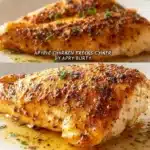
Air Fryer Chicken Fillets
- Total Time: 25 minutes
- Yield: 4 servings 1x
- Diet: Gluten-Free
Description
A quick and simple guide to making juicy, crispy chicken fillets in the air fryer, perfect for busy weeknights or meal prep.
Ingredients
- 4 boneless chicken fillets
- 1 tbsp olive oil
- ½ tsp garlic powder
- ½ tsp onion powder
- 1 tsp paprika
- Salt and pepper to taste
Instructions
- Pat chicken fillets dry with paper towels. Pound thicker parts to an even thickness (about ¾ inch).
- Season or quick brine the chicken fillets.
- Preheat the air fryer to 375°F (190°C).
- Arrange the chicken fillets in the air fryer basket in a single layer and cook for 12–15 minutes, flipping halfway through.
- Check that internal temperature reaches 165°F (74°C) and let rest for 5–7 minutes before serving.
Notes
For extra flavor, consider brining the chicken fillets for 15–30 minutes and experimenting with different seasonings.
- Prep Time: 10 minutes
- Cook Time: 15 minutes
- Category: Main Course
- Method: Air Frying
- Cuisine: American
Nutrition
- Serving Size: 1 serving
- Calories: 350
- Sugar: 0g
- Sodium: 500mg
- Fat: 12g
- Saturated Fat: 2g
- Unsaturated Fat: 8g
- Trans Fat: 0g
- Carbohydrates: 0g
- Fiber: 0g
- Protein: 45g
- Cholesterol: 100mg