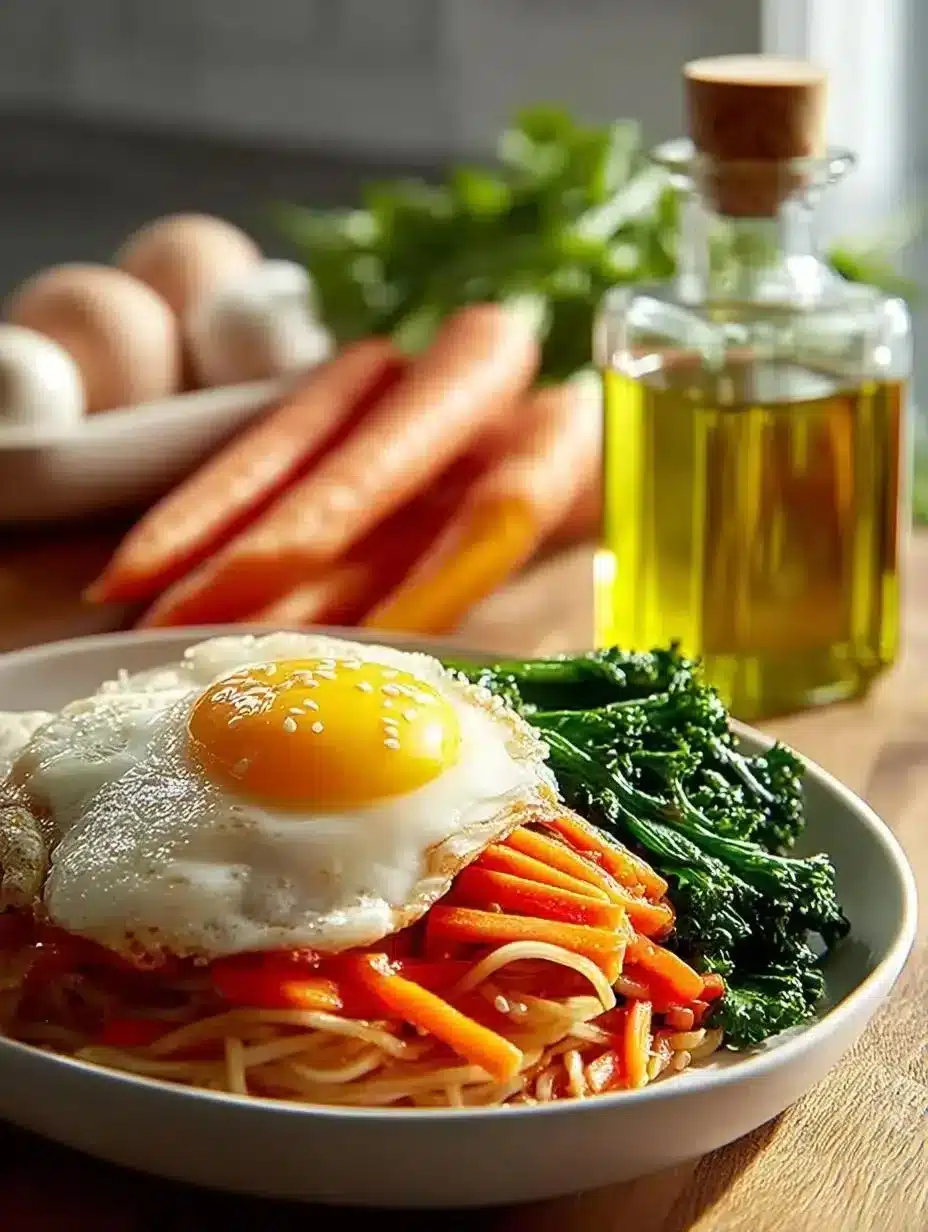
Korean Fried Noodles — Crispy Weeknight Stir-Fry
Hot, crackly noodles with browned edges and a glossy, sweet‑spicy glaze will make weeknights feel special, and this version is fast enough for dinner any night. Korean fried noodles combine high heat, a little starch, and a simple sauce to create crunch and chewy bite in the same mouthful. After testing this recipe eight times and tweaking the oil temperature and starch ratio, I landed on a method that crisps while keeping the center tender. I first developed these techniques while cooking for a busy bistro kitchen, and the approach translates well to home stoves. If you want a quick alternative, try this quick fried noodles method for a slightly different crisping approach. Read on for precise timing, clear sensory cues, and make-ahead tips that save time without losing crispness.
Why This Recipe Works
- High heat and a thin layer of oil create blistered, crispy edges while the noodle center remains chewy.
- A light dusting of potato or cornstarch promotes browning and helps the sauce cling.
- Balancing salty soy, sweet sugar, and tangy vinegar gives a clean finish that cuts through oil.
- Quick searing before saucing concentrates flavor and prevents soggy noodles.
- Multiple test runs refined exact times so readers get consistent results on home cooktops.
Ingredients Breakdown
- Noodles: 400 g (14 oz) fresh egg noodles or cooked dried lo mein (about 4 servings). Fresh noodles crisp faster; if using dried, cook to al dente then cool. Do not use overcooked noodles — they become mushy.
- Potato starch or cornstarch: 15 g (1 tbsp). Lightly coats noodles to encourage crisping. Do not exceed 2 tbsp or the coating will feel gummy.
- Neutral oil: 60 ml (1/4 cup) vegetable or canola oil. High smoke point oils yield better blistering. Sesame oil is for finishing only.
- Onion: 150 g (1 medium), thinly sliced. Adds sweetness and bite.
- Garlic: 10 g (2 cloves), minced. Adds aromatic depth.
- Carrot: 70 g (1 small), julienned. Adds texture and color.
- Cabbage: 100 g (1 cup), thinly sliced. Adds volume and sweetness.
- Green onions: 30 g (2 stalks), sliced on a bias. Fresh garnish.
- Soy sauce: 30 ml (2 tbsp). Use low-sodium if desired.
- Gochujang: 15 g (1 tbsp) — Korean red chili paste. Brings heat and umami. For milder taste, reduce to 1/2 tbsp and add 1 tsp sugar.
- Rice vinegar: 15 ml (1 tbsp). Lifts the sauce and balances oil.
- Brown sugar or honey: 10 g (2 tsp). Balances heat.
- Toasted sesame oil: 5 ml (1 tsp) added off heat for aroma.
- Optional protein: 300 g (10–11 oz) thinly sliced beef, chicken, or firm tofu (pressed). If using tofu, press and pan-fry first.
- Salt and black pepper: to taste — start with 1/4 tsp (1.5 g) salt if using low-sodium soy.
Substitutions and impact warnings:
- Gluten-free: Use tamari or a gluten-free soy sauce; use rice vermicelli or gluten-free noodles. Texture will differ slightly.
- Tofu swap: For crispy texture, press tofu for 30 minutes and dust with starch before frying.
- Brand note: If using Diamond Crystal kosher salt, measure as written. If using Morton, reduce by ~30% because it’s denser.
Essential Equipment
- Large nonstick or well-seasoned cast-iron skillet, 30 cm (12 in) — wide surface area ensures single-layer crisping.
- Tongs or a wide spatula to flip noodles without tearing.
- Large bowl for tossing noodles with starch.
- Fine grater or microplane for garlic if you prefer smooth bits.
- Optional: splatter screen to reduce oil mess; as a workaround, use a lid propped to one side.
- If you want a lighter finish, an air-fryer can crisp small portions—see these air fryer tips for guidance on hot-air crisping that also apply to short noodle batches.
Step-by-Step Instructions
Prep time: 15 minutes; Cook time: 15 minutes; Inactive time: None; Total time: 30 minutes. Serves 4.
Step 1: Cook and cool the noodles
Cook 250 g (uncooked weight) dried lo mein or 400 g (14 oz) fresh egg noodles per package directions until just al dente, about 3–4 minutes for fresh or per package timing for dried. Drain and rinse under cool water to stop cooking, then toss with 15 g (1 tbsp) potato starch while still slightly damp. This coating helps create crisp edges. Let rest 5 minutes.
Step 2: Make the sauce
Whisk together 30 ml (2 tbsp) soy sauce, 15 g (1 tbsp) gochujang, 15 ml (1 tbsp) rice vinegar, and 10 g (2 tsp) brown sugar in a small bowl. Taste and adjust: add 1/2 tsp sugar for more sweetness or 1 tsp soy for more salt. Set aside.
Step 3: Prep the aromatics and vegetables
Thinly slice 150 g (1 medium) onion, julienne 70 g (1 small) carrot, and slice 100 g (1 cup) cabbage. Mince 10 g (2 cloves) garlic. This takes about 5 minutes. Keep vegetables similar thickness so they cook evenly.
Step 4: Crisp the noodles
Heat 60 ml (1/4 cup) neutral oil in the skillet over medium-high heat until shimmering, about 2 minutes. Add half the noodles in a single layer and press gently with a spatula. Cook without stirring until the bottom is golden and blistered, 3–4 minutes. Flip sections with tongs and cook the other side 2–3 minutes. Transfer to a plate and repeat with remaining noodles. Do not overcrowd the pan — crisping requires space.
Step 5: Stir-fry vegetables and combine
Wipe skillet to remove excess oil, add 1 tbsp oil, then sauté onion and carrot over medium-high heat for 3–4 minutes until soft and fragrant. Add garlic and cabbage and cook 1–2 minutes more until cabbage is tender-crisp. Return noodles to skillet, pour sauce over, and toss quickly for 1 minute until everything is coated and hot. Finish with 5 ml (1 tsp) toasted sesame oil and sliced green onions.
Step 6: Serve immediately
Divide among four plates and serve hot so the crispy edges stay crunchy. Top with extra gochujang, sesame seeds, or chili flakes as desired. Enjoy within minutes for best texture.
Expert Tips & Pro Techniques
- Common mistake: overcrowding the pan. If you pile noodles, you steam them instead of crisping. Cook in batches so each piece touches the pan.
- Use a light starch dusting. Too much starch causes a gummy coating. One tablespoon for 400 g noodles is usually enough.
- Control the oil heat. If oil smokes immediately, reduce heat by one notch. If it barely sizzles, increase it. The oil should shimmer and sizzle when a noodle touches it.
- Make-ahead: cook and cool noodles, toss with starch, and store in a sealed container in the fridge up to 24 hours. Fry straight from the fridge — cold noodles crisp better.
- Professional technique adapted for home: press noodles gently with a flat spatula and hold for 20–30 seconds to maximize contact and even browning.
- For extra flavor, sear thinly sliced beef or tofu first, set aside, and fold in during the final toss.
Storage & Reheating
- Refrigerator: Store cooled noodles in an airtight container for up to 3 days. Keep sauce and garnishes separate if possible.
- Freezer: Not recommended — freezing alters noodle texture and makes them mushy on reheating. If necessary, freeze for up to 1 month, then thaw in the fridge overnight.
- Reheating: Recrisp in a skillet over medium heat with a small splash of oil for 4–6 minutes, tossing occasionally. Oven reheat at 175°C (350°F) for 8–10 minutes also works for larger portions. Avoid microwaving — it makes the noodles limp.
Variations & Substitutions
- Vegetarian / Vegan: Use firm tofu (300 g) pressed and pan-fried in place of meat. Keep sauce vegan by using a vegan gochujang or miso for depth. Everything else remains the same.
- Gluten-Free Version: Use tamari instead of soy sauce and a gluten-free noodle like rice noodles. If using rice noodles, do not dust with starch; instead, pat dry before frying and reduce frying time by 1–2 minutes per side.
- Extra-spicy: Increase gochujang to 2 tbsp (30 g) and add 1 tsp gochugaru or crushed red pepper during the final toss. Start smaller if you prefer mild heat.
- Seafood twist: Add 300 g (10–11 oz) shrimp, peeled, deveined, and patted dry. Sear shrimp 1–2 minutes per side until opaque, remove, then fold in at the end to avoid overcooking.
- Lighter crisp (air-fryer adaptation): Toss small portions (150 g) with 1 tsp oil and 1 tsp starch and air-fry at 200°C (400°F) for 4–6 minutes, shaking halfway. See tips on crisp vegetable sides in this crispy air-fried veg guide that applies to small noodle batches.
Serving Suggestions & Pairings
- Pickled side: Serve with quick cucumber kimchi or pickled radish to cut the oiliness.
- Vegetable side: A bowl of crisp air‑fried mixed vegetables balances the meal; refer to this air fryer tips for oven-to-air-fryer conversions.
- Starch pairing: If you want to add a rounded starch, pair with twice-baked potatoes or a warm salad — try these twice-baked potatoes for a heartier plate.
- Beverage: Light lager, cold barley tea, or a citrusy soda cleanse the palate.
Nutrition Information
Per serving (1 of 4 servings). Serving size: about 1 plate.
- Calories: 560 kcal
- Total Fat: 24 g
- Saturated Fat: 4 g
- Cholesterol: 0–70 mg (varies with protein choice; vegetarian version 0 mg)
- Sodium: 780 mg
- Total Carbohydrates: 68 g
- Dietary Fiber: 4 g
- Sugars: 10 g
- Protein: 14 g
Nutrition values are estimates. Actual values may vary based on specific ingredients and preparation methods.
Frequently Asked Questions
Q: Why did my noodles turn out soggy instead of crispy?
A: Most likely the pan was overcrowded or the noodles were overcooked. Cook in batches and make sure noodles are dry-ish before frying.
Q: Can I make this without eggs or egg noodles?
A: Yes. Use firm rice noodles or wheat lo mein, and dust lightly with starch if the noodles are dry. For egg-free protein, use pressed tofu.
Q: Can I double this recipe for a larger crowd?
A: Yes. Work in batches on the stove. Do not double in one pan; use two pans or cook sequentially to maintain crisping.
Q: Can I prepare this the night before?
A: Yes. Cook and cool the noodles, toss with starch, and refrigerate up to 24 hours. Fry from cold the next day for best crisping.
Q: How long does this keep in the fridge?
A: Stored in an airtight container, it will keep 2–3 days. Reheat in a skillet to restore some crispness.
Q: Will the noodles still crisp if I use an oven instead of a skillet?
A: You can crisp small portions on a baking sheet at 220°C (425°F) for 6–8 minutes, flipping once. The skillet method gives the best direct contact and faster blistering.
Q: What’s a good substitute for gochujang?
A: Mix 1 tbsp miso with 1 tsp chili paste and 1 tsp honey as an emergency swap. Flavor will be different but still savory and slightly spicy.
Conclusion
This crispy, sweet-spicy stir-fry is built for weeknights. If you want a tofu-focused, quick stir-fry with similar timing, check out this easy Evening Tofu Stir Fry ready in 25 minutes for ideas on marinating and speedy searing. For a different take on noodle stir-fries inspired by a pro chef, see Dave Chang’s Fridge Cleanout Tofu Noodle Stir-Fry for variation and technique tips.
Print
Korean Fried Noodles
- Total Time: 30 minutes
- Yield: 4 servings 1x
- Diet: Vegetarian
Description
Crispy weeknight stir-fry featuring hot, crackly noodles with browned edges and a sweet-spicy glaze.
Ingredients
- 400 g (14 oz) fresh egg noodles or cooked dried lo mein
- 15 g (1 tbsp) potato starch or cornstarch
- 60 ml (1/4 cup) neutral oil (vegetable or canola)
- 150 g (1 medium) onion, thinly sliced
- 10 g (2 cloves) garlic, minced
- 70 g (1 small) carrot, julienned
- 100 g (1 cup) cabbage, thinly sliced
- 30 g (2 stalks) green onions, sliced on a bias
- 30 ml (2 tbsp) soy sauce
- 15 g (1 tbsp) gochujang
- 15 ml (1 tbsp) rice vinegar
- 10 g (2 tsp) brown sugar or honey
- 5 ml (1 tsp) toasted sesame oil
- Optional protein: 300 g (10–11 oz) beef, chicken, or firm tofu (pressed)
- Salt and black pepper to taste
Instructions
- Cook the noodles according to package directions until just al dente, drain, rinse, and toss with potato starch. Let rest for 5 minutes.
- Whisk together soy sauce, gochujang, rice vinegar, and brown sugar in a small bowl. Set aside.
- Thinly slice onion, julienne carrot, slice cabbage, and mince garlic. Keep vegetables similar thickness.
- Heat oil in a skillet over medium-high heat, add half the noodles, and press down. Cook until golden and blistered, then flip and cook the other side. Repeat with remaining noodles.
- Sauté onion and carrot in the skillet, then add garlic and cabbage until tender-crisp. Return noodles, add sauce, and toss to combine.
- Serve immediately on plates, garnished as desired.
Notes
Best served hot for crispy texture. Do not overcrowd the pan while cooking the noodles.
- Prep Time: 15 minutes
- Cook Time: 15 minutes
- Category: Main Course
- Method: Stir-Frying
- Cuisine: Korean
Nutrition
- Serving Size: 1 serving
- Calories: 560
- Sugar: 10g
- Sodium: 780mg
- Fat: 24g
- Saturated Fat: 4g
- Unsaturated Fat: 20g
- Trans Fat: 0g
- Carbohydrates: 68g
- Fiber: 4g
- Protein: 14g
- Cholesterol: 0mg