
Traditional Chicken Romano guide
If you want a single, dependable resource that teaches you how to cook, understand, and adapt Chicken Romano from first principles to expert technique, you’re in the right place. This Traditional Chicken Romano guide walks you step by step, explains why each choice matters, and gives practical options for every skill level.
By the end you’ll be able to make consistent, flavorful Chicken Romano, troubleshoot common problems, and invent variations with confidence. You’ll also gain historical context so each choice feels rooted in meaning, not mystery.
Background & Context
Chicken Romano sits at the intersection of Italian-American home cooking and practical weeknight technique. Its core identity is simple: chicken paired with sharp Romano cheese, crisped crusts, and often a light tomato accompaniment. Over time it has evolved into multiple regional interpretations, but the flavor signature—salty, savory Romano melding with browned chicken—remains central.
Classic Chicken Romano history traces back to Italian immigrants adapting hard sheep’s-milk cheeses (like pecorino Romano) and pan-frying techniques to available poultry. This dish reflects thrifty sensibilities: thin cuts cook quickly, bold cheese adds flavor, and crusting techniques protect lean meat from drying.
Understanding the Authentic Chicken Romano origin helps you make decisions that honor the dish: use assertive, aged cheese; prefer thin or pounded cutlets for rapid, even cooking; and lean into methods that balance browning with tenderness.
Personal note: in kitchens where I trained, Chicken Romano became the “practice dish” for cooks learning timing and crust technique. It rewards attention to detail and tolerates experimentation—perfect for building skill.
Why This Approach Works
This guide focuses on fundamentals and adaptable technique for several reasons:
- Simplicity breeds reliability. Lean recipes with few moving parts let you learn cause-and-effect.
- Speed meets precision. Thin cutlets + high-heat browning create the classic texture without long cooks.
- Flavor economy. Using pungent cheese, acidic tomatoes, and aromatic herbs amplifies simple proteins effectively.
Addressing doubts: if you think “cheese will burn” or “thin chicken dries out,” this guide explains why those outcomes occur and how to prevent them. You’ll learn control points—temperature, moisture, coating thickness—that govern success.
This approach is accessible: beginners can follow a straightforward method. Intermediate cooks get variations and technique rationale. Advanced cooks receive optimization and efficiency techniques to refine results for service or batch cooking.
Core Concepts Explained
Breaking Chicken Romano into components clarifies choices:
- Protein: cut type and thickness.
- Coating: cheese, breadcrumbs, egg, seasoning ratios.
- Fat and heat: pan choice, oil vs butter, temperature control.
- Accompaniments: sauces, sides, garnishes.
- Timing: cooking durations and resting.
Protein: Choose boneless, skinless chicken breasts or thighs. For classic work, breast cutlets pounded to uniform 1/4–3/8" cook fastest. Thighs give more forgiving moisture but change the texture and flavor.
Coating: Romano cheese is salty and sharp. Use finely grated aged Romano (or Pecorino Romano) for flavor. Combine with breadcrumbs (plain or seasoned), or skip crumbs for a cheese-only crust. Egg wash or a thin flour dredge gives the crust something to stick to.
Fat and heat: Butter gives flavor and browning but burns faster. Neutral oil tolerates higher heat and encourages crisping. A blend (oil + a pat of butter) is a common compromise.
Sauces: A light marinara brightens the dish and complements the cheese. Cream-based sauces work too but move away from the classic profile.
Examples and substitutions:
- If you can’t find Pecorino/Romano, use a blend of grated Parmesan + a touch of salt and lemon zest to mimic sharpness.
- For gluten-free, use ground almonds or gluten-free panko.
Tools, Resources, or Foundations
Essentials:
- Heavy skillet (cast iron or stainless steel), 10–12" for even heat.
- Meat mallet and plastic bag for pounding.
- Microplane or fine grater for Romano cheese.
- Instant-read thermometer for doneness.
Optional enhancements:
- Fish-spatula for flip control.
- Splatter screen to reduce cleanup.
- Digital scale for consistent portions.
Budget-friendly alternatives:
- Use a rolling pin to pound chicken if you don’t own a mallet.
- Pre-grated cheese is workable, but fresh-grated yields better melt and texture.
- Nonstick skillet is okay for beginners seeking ease, but browning is best in stainless or cast iron.
Commentary: invest first in a reliable skillet and a good microplane. They return value across many recipes.
Step-by-Step Process
Below is a progressive method with times and checkpoints. Adjust for portions.
Prep (10–20 minutes)
- Portion and pound chicken to uniform thickness (1/4–3/8").
- Season lightly with salt and pepper; keep in mind Romano is salty.
- Set up dredging station: flour → beaten egg (or egg+milk) → Romano + breadcrumbs.
Dredging and Breading (5–10 minutes)
- Lightly flour both sides, shake off excess.
- Dip in egg—coat but don’t soak.
- Press into Romano mixture until thin, even coverage.
Cooking—Pan Fry (6–8 minutes per side for thick pieces; 3–4 minutes per side for thin cutlets)
- Heat skillet over medium-high with 2–3 tbsp oil.
- Add a small pat of butter if you want richer flavor; tip: reduce heat slightly to protect butter.
- Place cutlets without crowding; let form crust before flipping.
- Finish in oven if thick: 350°F (175°C) for 6–10 minutes until internal temp 160–165°F (71–74°C).
Rest and Serve (3–5 minutes)
- Rest on a rack or plate tented lightly; cheese crust firms up slightly.
- Serve with lemon wedge, marinara, or arugula salad.
Time estimates include active and passive time for a 4-serving batch: ~35–45 minutes.
Common mistakes + how to avoid them:
- Crowding pan → drops temperature → soggy crust. Cook in batches.
- Too-hot pan → cheese burns. Use a moderate heat and oil first, add butter later if desired.
- Over-salting → Romano adds major salt. Taste and compensate.
Pro tips:
- Dry chicken thoroughly before pounding for better adhesion.
- Use a shallow tray for the dredging station to coat evenly.
- Keep cooked cutlets on a wire rack over a sheet pan to retain crispness.
H3: Oven-Finish Technique (for thicker breasts)
- Sear 2 minutes per side to develop color.
- Transfer skillet to 350°F (175°C) oven for 6–10 minutes.
- Use thermometer to confirm 160–165°F (71–74°C). Rest 5 minutes—carryover heat raises temp slightly.
Expert Techniques & Insights
Advanced cooks will appreciate control over texture and efficiency:
- Brining (30–60 minutes): A mild brine (3–5% salt by weight) improves juiciness in thicker cuts. For quick brine, dissolve 1 tbsp kosher salt in 2 cups water; submerge cutlets 20–30 minutes, then dry thoroughly.
- Cold-crust method: Chill breaded cutlets 15–30 minutes before cooking; crust binds and resists slippage in the pan.
- Multiple oils: Start with high smoke point oil (grapeseed), add butter at end for nutty browning without burning.
- Clarified butter: Use for maximum butter flavor with higher heat tolerance.
- Par-cook then finish: For large batches, par-fry briefly, cool, then flash-fry before serving to re-crisp.
- Batch scaling: Maintain a warm oven (200°F/95°C) to keep cooked cutlets crisp while you finish the rest.
Lessons learned:
- Texture is a product of temperature and time control, not just ingredients.
- The most repeatable dishes come from consistent mise en place and portioning.
Variations & Adaptations
Different contexts and preferences call for flexible approaches.
- Crusted Chicken Romano Cutlets (classic cutlet style): Thin, pounded pieces, quick pan-fry. Great for sandwiches.
- Baked Chicken Romano: Lightly spray or brush with oil and bake at 425°F (220°C) for 12–18 minutes until golden. Less oil, slightly different crust texture.
- Air-fryer adaptation: 375°F (190°C) for 8–12 minutes, turning halfway. Use minimal oil spray.
- Thigh-based Romano: More forgiving; increase internal target to 175°F (79°C) for tenderness.
- Sauced variations: Tomato marinara, lemon-butter caper, or simple pan sauce (deglaze with wine/chicken stock).
- Vegetarian alternative: Eggplant Romano—slice eggplant, salt and rest to remove moisture, then bread and fry/bake as above.
Skill-level adaptations:
- Beginner: Use thin cutlets, nonstick pan, and follow a conservative heat setting.
- Intermediate: Try oven finishing, pan sauce creation, and brining.
- Advanced: Implement clarified butter, par-cook workflows, and multi-station plating for service.
Cultural flexibility:
- Italian-American: heavier on Romano and tomato.
- Italian regional re-interpretations may use local sheep cheeses and olive oil variations.
Analysis & Benefits Breakdown
A quick comparative table of common methods helps decide which fits your goals.
| Method | Texture | Time | Health | Best Use |
|—|—:|—:|—:|—|
| Pan-fry (oil + butter) | Crisp, rich | 10–20 min | Moderate | Weeknight dinners, sandwiches |
| Oven-baked | Even, less oil | 20–30 min | Lower fat | Batch cooking, lighter meals |
| Air-fryer | Crispy, fast | 12–18 min | Lower oil | Quick, small batches |
| Par-fry then flash | Very crisp, service-ready | 20–40 min (batch) | Moderate | Catering, make-ahead |
Strengths and limitations:
- Pan-fry gives best crust but requires attention to heat.
- Baking is forgiving and scalable but sacrifices some crust character.
- Air-fryer is efficient but limited by capacity.
Considerations:
- Salt balance—with Romano’s intensity, taste carefully before adding extra salt.
- Heat control—browning without burning is the highest-yield skill.
Preparation, Retention & Long-Term Use
How to prepare effectively:
- Mise en place: Trim, pound, and set out breading stations before heating the pan.
- Portion control: Use a scale or consistent scoop for uniform cooks.
Retention or reuse strategies:
- Cooked cutlets freeze well. Cool completely, wrap individually, and freeze up to 3 months.
- To reheat: oven at 375°F (190°C) for 8–12 minutes from frozen, or 10–15 minutes from thawed to re-crisp.
- Par-cooked batches are ideal for catering—par-fry 50–60% done, finish with high heat.
Longevity of skills:
- Mastery of Chicken Romano—controlling crust, salt, and moisture—translates to many breaded protein dishes.
- Once you understand timing and heat, adapting to other proteins becomes straightforward.
Troubleshooting & Common Problems
Problem → Cause → Solution
- Soggy crust → Pan crowded or oil too cool → Cook in batches, ensure oil is hot (shimmering) before adding.
- Burned cheese → Oil too hot or cheese exposed → Lower heat, add butter later, use a thin breadcrumb layer over cheese.
- Dry chicken → Overcooking or too-thin crust → Measure internal temp, use a thermometer, brine thicker cuts.
- Coating falls off → Wet dredge, insufficient adhesion → Dry chicken thoroughly, press coating firmly, chill before cooking.
- Excessive splatter → Wet chicken or too much oil → Pat dry, use shallow oil and a splatter screen.
- Tough texture → Pound unevenly or overwork meat → Pound to uniform thinness gently; don’t stretch the meat.
These straightforward fixes will resolve most issues and build your instincts for the next cook.
FAQ
Q: What exactly is the difference between Romano and Parmesan for this dish?
A: Romano is sharper, saltier, and often more assertive than Parmesan. Use Romano for signature bite; blend with Parmesan to mellow if desired.
Q: Can I use chicken thighs?
A: Yes. Thighs are juicier and more forgiving, but adjust target temperatures and expect different texture.
Q: How to prevent the cheese from sticking to the pan?
A: Ensure oil is hot before adding cutlets, and avoid leaving cutlets to burn. A thin breadcrumb layer over cheese helps.
Q: Is this dish traditionally served with pasta?
A: Classic pairings include light pasta or simple sides like sautéed greens. Tomato sauce can bridge meat and pasta.
Q: Can I make this gluten-free?
A: Substitute gluten-free panko or ground nuts for breadcrumbs. Keep an eye on texture differences.
Q: How do I scale for a dinner party?
A: Use par-cook workflow: par-fry, hold warm in 200°F oven, then flash-fry or reheat to crisp before serving.
Q: What internal temp is best?
A: Aim for 160–165°F (71–74°C) for breasts, 175°F (79°C) for thighs. Resting adds a few degrees.
Q: Why does my coating sometimes slide off?
A: Usually from insufficient drying or too-thin egg wash. Dry meat, press coatings, and chill before cooking.
Related Topics & Next Steps
If this guide clicked, expand into these adjacent skills:
- Fundamentals of pan sauces (deglazing, emulsification).
- Breaded proteins 101 (veal cutlets, schnitzel, chicken Milanese).
- Cheese knowledge: how aging and milk source affect taste (Parm vs Romano vs pecorino).
- Basic brining science and applications.
Suggested next projects:
- Make a batch of Crusted Chicken Romano cutlets and compare pan-fry vs oven.
- Practice sauce pairing: tomato vs lemon-caper reduction.
Quick Reference Summary
- Pound chicken to uniform 1/4–3/8" for fast, even cooking.
- Use aged Romano for signature flavor; adjust salt accordingly.
- Dredge: flour → egg → Romano + breadcrumbs (or cheese only).
- Pan-fry in hot oil; add butter late for flavor without burning.
- Finish in oven for thick pieces; rest before serving.
- Keep a thermometer handy—target 160–165°F for breasts.
- Par-cook for batch service; re-crisp before serving.
Conclusion
You now have a complete Traditional Chicken Romano guide that covers origins, core concepts, step-by-step technique, troubleshooting, and advanced approaches. Use it as a working reference: bookmark the Quick Reference Summary, experiment with brining and oven finishes, and scale confidently for gatherings.
If you want a reliable, tested recipe to try immediately, start with this Chicken Romano Recipe (35 Minutes) for a straightforward method. For a cutlet-focused version and plating ideas, consult this Crusted Chicken Romano Recipe (Cutlets) | Little Spice Jar.
If you’d like, I can now convert this into a reusable system prompt, adapt it for a step-by-step printable recipe card, or create a checklist to evaluate recipes against the techniques covered here. Which would you prefer?
Print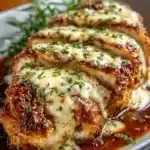
Traditional Chicken Romano
- Total Time: 45 minutes
- Yield: 4 servings 1x
- Diet: Gluten-free option available
Description
A classic Italian-American dish featuring pan-fried chicken cutlets with sharp Romano cheese, perfect for weeknight dinners.
Ingredients
- 4 boneless, skinless chicken breasts or thighs
- 1 cup finely grated Romano cheese
- 1 cup breadcrumbs (plain or seasoned)
- 1 cup all-purpose flour
- 2 large eggs
- 2–3 tablespoons oil (neutral or olive)
- 1 tablespoon butter (optional)
- Salt and pepper to taste
- Marinara sauce for serving (optional)
- Lemon wedges for garnish (optional)
Instructions
- Prep the chicken by pounding it to a uniform thickness of 1/4–3/8 inches.
- Season lightly with salt and pepper and set up a dredging station with flour, beaten eggs, and a mixture of Romano and breadcrumbs.
- Flour both sides of the chicken and shake off the excess.
- Dip in the egg, ensuring it is well coated but not soaked.
- Press into the Romano-breadcrumb mixture until evenly coated.
- Heat the skillet over medium-high heat and add oil, along with butter if desired.
- Add the chicken cutlets to the skillet without crowding and let them form a crust before flipping.
- Cook for 3-4 minutes per side for thin cutlets, or 6-8 minutes for thicker pieces, finishing in the oven at 350°F (175°C) if needed until the internal temperature reaches 160–165°F (71–74°C).
- Rest the cutlets on a rack for 3-5 minutes to firm up the crust.
- Serve with a side of marinara sauce and lemon wedges, if desired.
Notes
For best results, dry the chicken thoroughly before adding the coating. Adjust cooking times based on the thickness of the cutlets.
- Prep Time: 15 minutes
- Cook Time: 30 minutes
- Category: Main Course
- Method: Pan-Frying
- Cuisine: Italian-American
Nutrition
- Serving Size: 1 serving
- Calories: 400
- Sugar: 2g
- Sodium: 500mg
- Fat: 18g
- Saturated Fat: 8g
- Unsaturated Fat: 8g
- Trans Fat: 0g
- Carbohydrates: 30g
- Fiber: 1g
- Protein: 35g
- Cholesterol: 200mg